Skip to main page content
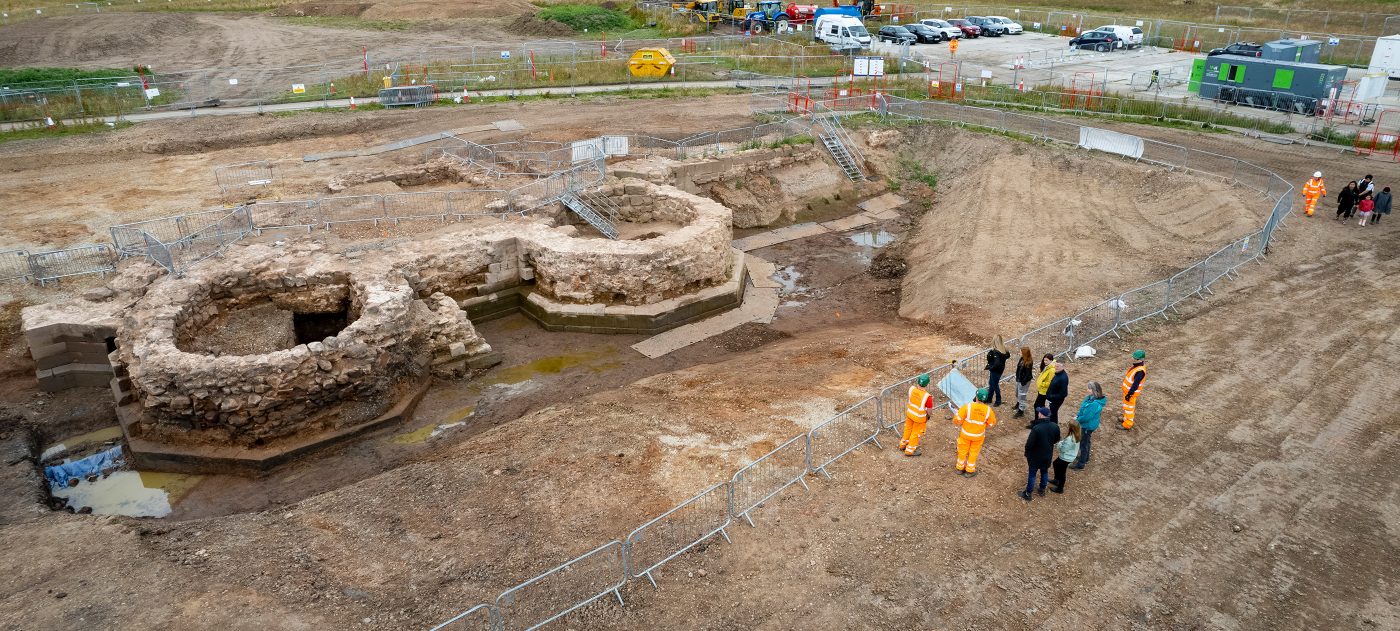
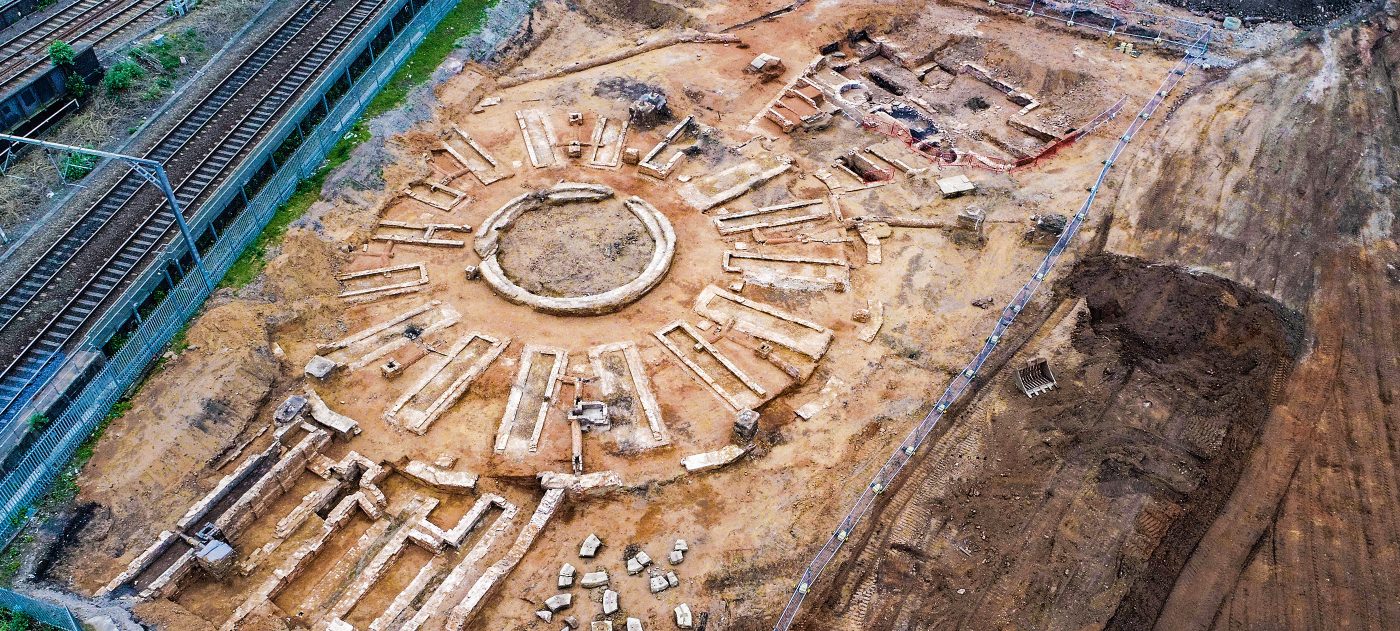
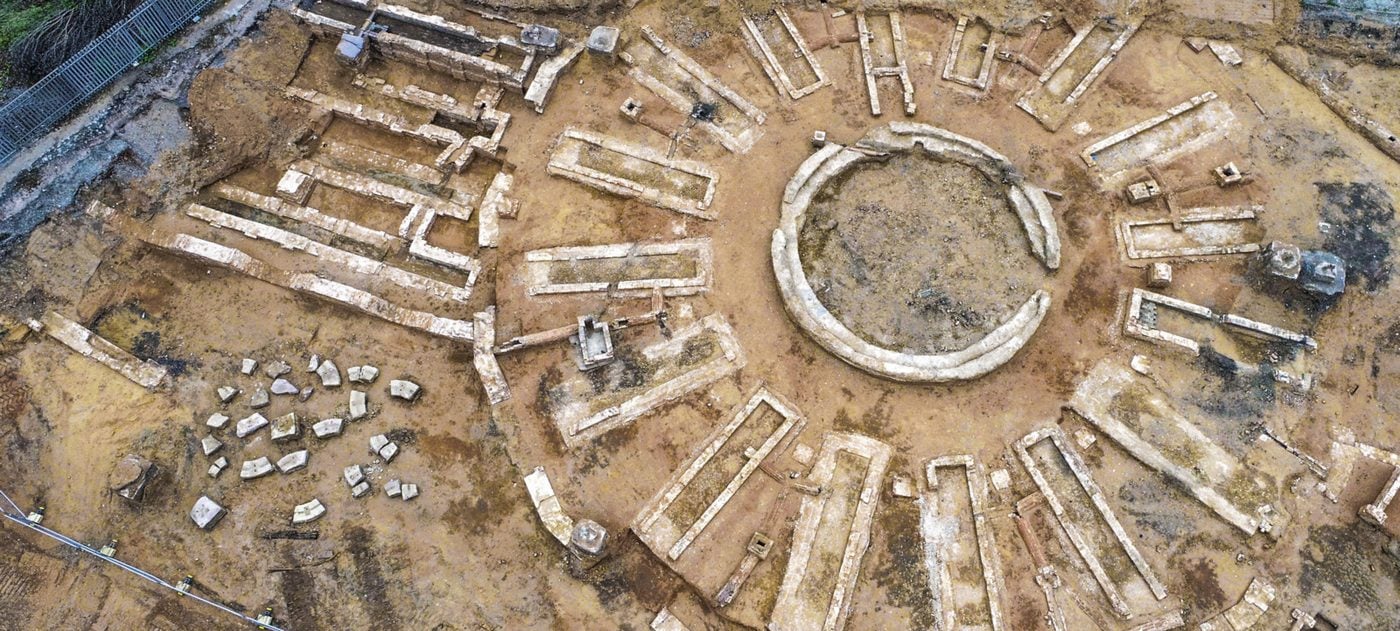
We found the world's oldest railway roundhouse at Curzon Street station in Birmingham.
We found the world's oldest railway roundhouse at Curzon Street station.

Archaeology

Discovering our past

We’ve been investigating over 60 archaeological sites along the HS2 route since 2018m revealing stories about our ancestors from prehistoric times to the Industrial Revolution.

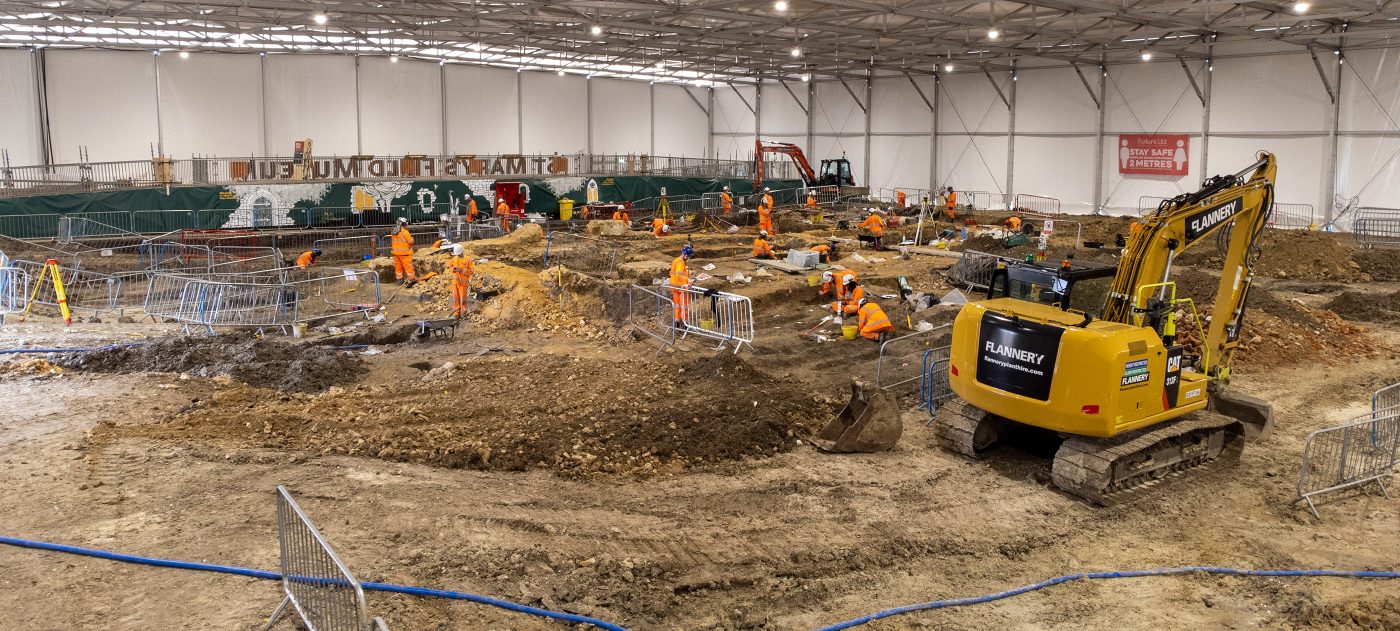
More than 1,000 archaeologists, specialists, scientists and conservators have explored and recorded evidence of our changing landscape, providing a fascinating insight into the lives of the people who made modern Britain.
What we've found

St James’s Gardens

Georgian and Victorian

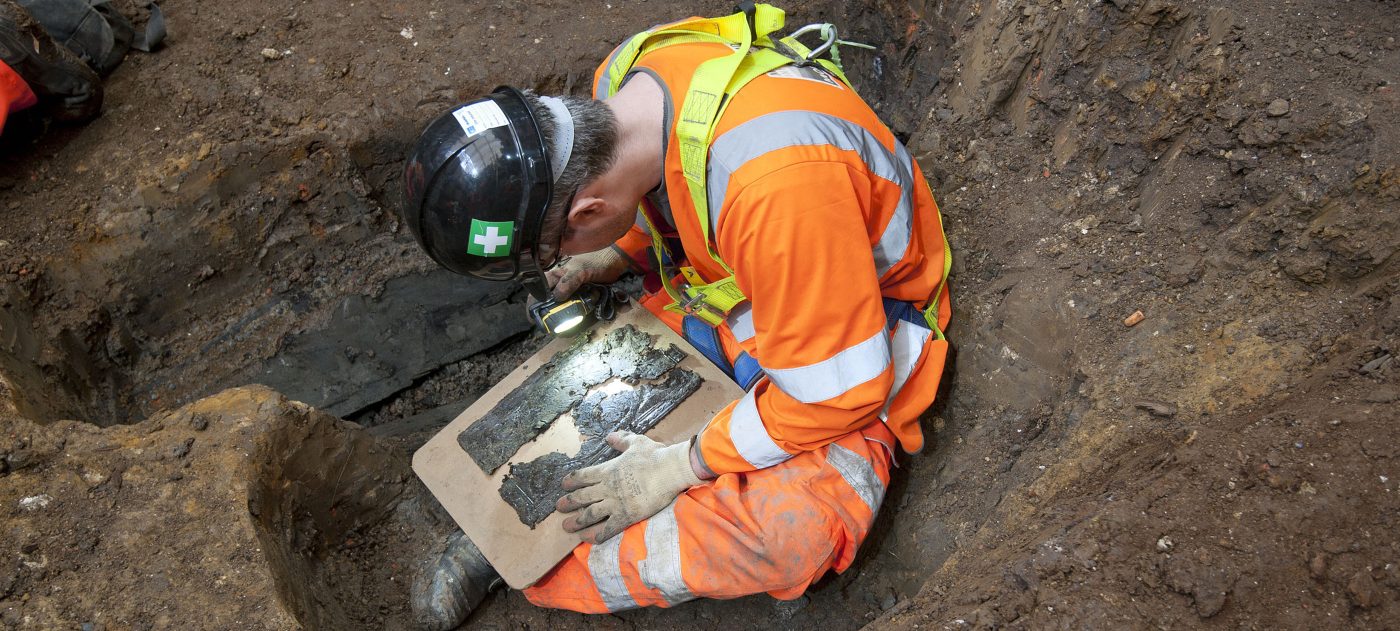
Archaeologists working at Euston, revealed the lives of the people buried there including the remains of Captain Matthew FlindersThe Royal Navy explorer led the first circumnavigation of Australia and is credited with giving the country its name.

Curzon Street

Georgian and Victorian

Before HS2, Birmingham’s 19th Century Curzon Street was one of the world’s oldest railway stations, home to the world’s oldest railway roundhouse designed by Robert Stephenson in 1837. The limited later development of the site means that the remains of the roundhouse were exceptionally well preserved.

Coleshill Manor

The Tudors

Excavations at Coleshill in Warwickshire have revealed one of the best-preserved late 16th century gardens ever discovered in this country. The detailed investigations also revealed evidence of an early Civil War skirmish with pistol and musket ball marks on the gatehouse of the Manor.

St Mary’s Church

Medieval

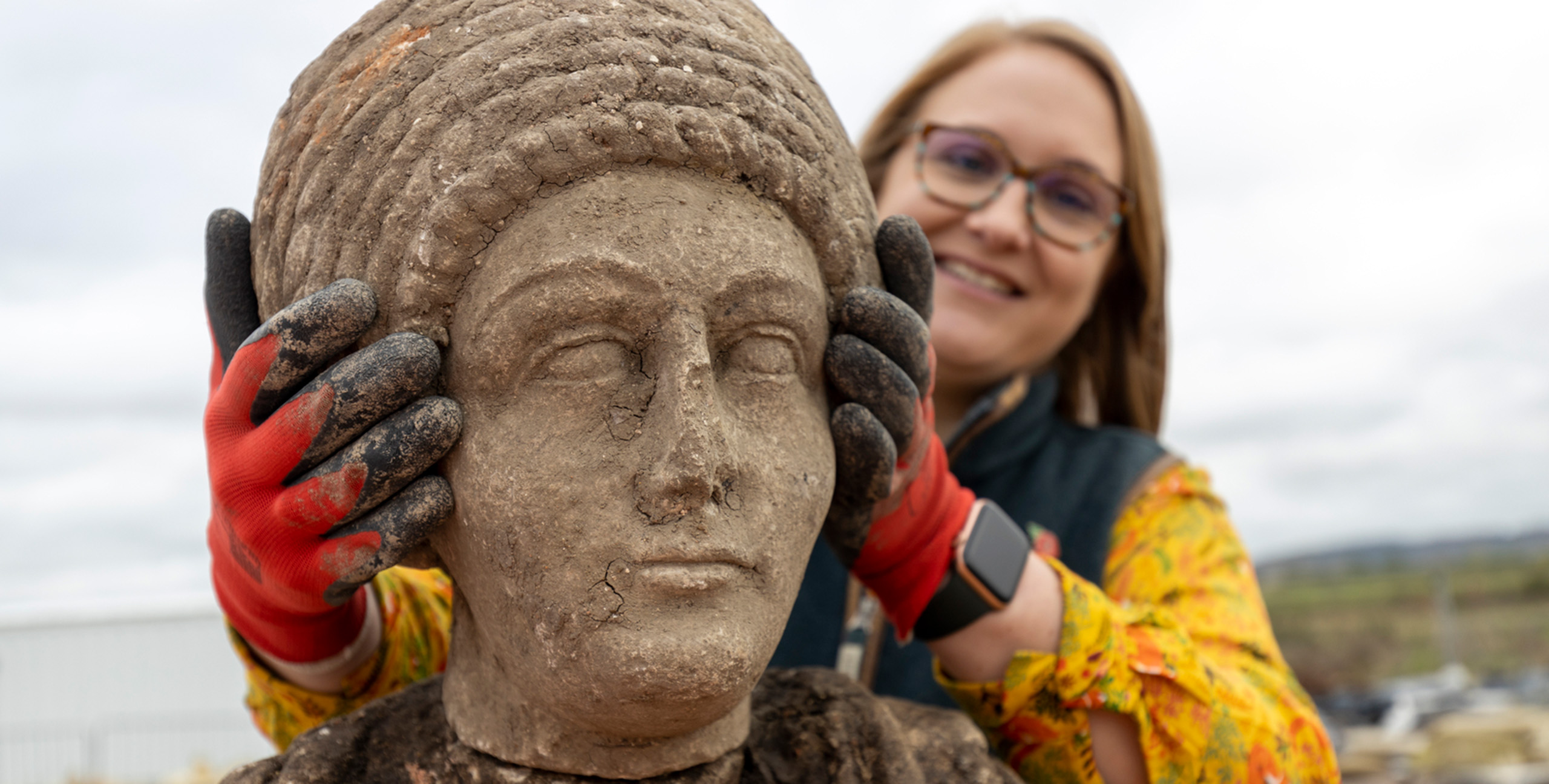
During excavation work in Stoke Mandeville, our archaeologists have found the remains of a Norman church with some other unusual discoveries. A wealth of incredible finds have been unearthed, including a set of incredibly rare Roman statues. 

Wendover Burial Ground

Early Medieval

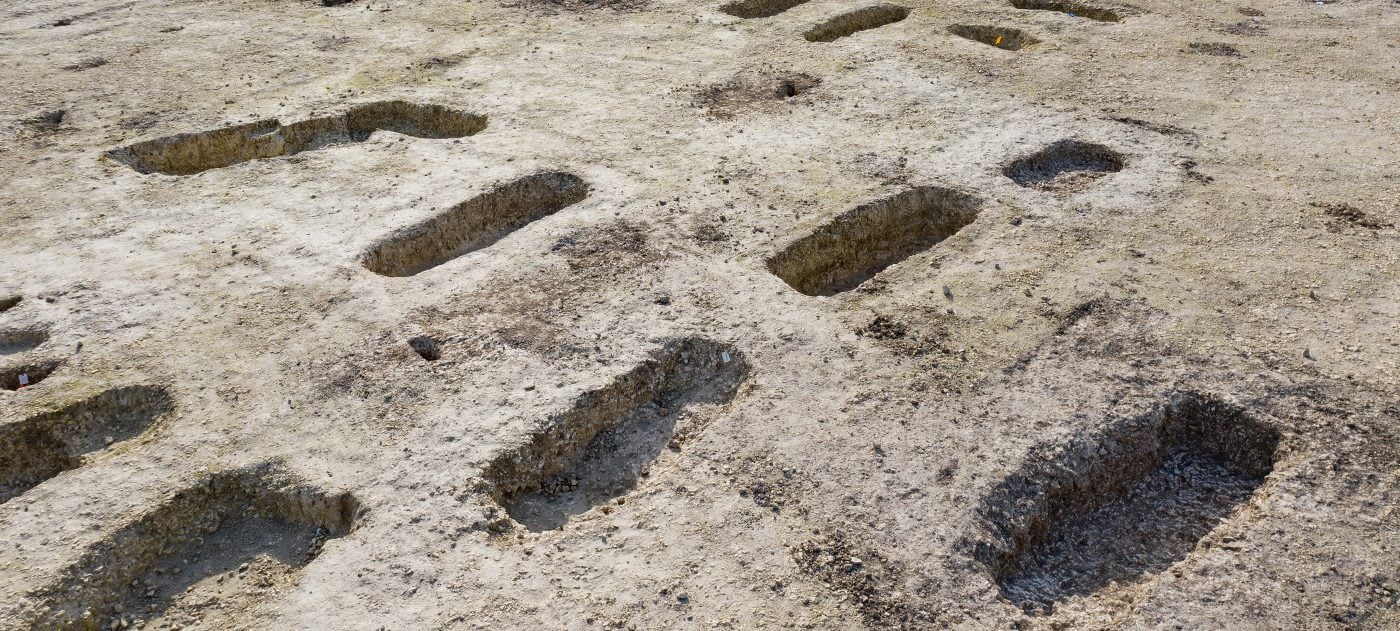
At Wendover, Buckinghamshire, archaeologists investigated an Anglo-Saxon burial site  of national significance. Almost threequarters of the graves contained high quality grave goods, suggesting the site was the final resting place of a wealthy Anglo-Saxon community. 

Blackgrounds

Roman

The site, known as Blackgrounds after the black soil found there, began in the Iron Age with a village of over 30 roundhouses. Evidence from the excavations shows that the settlement expanded becoming a prosperous trading town during the Roman period, with new stone buildings and new roads emerging. 

Hillingdon Hoard

Iron Age

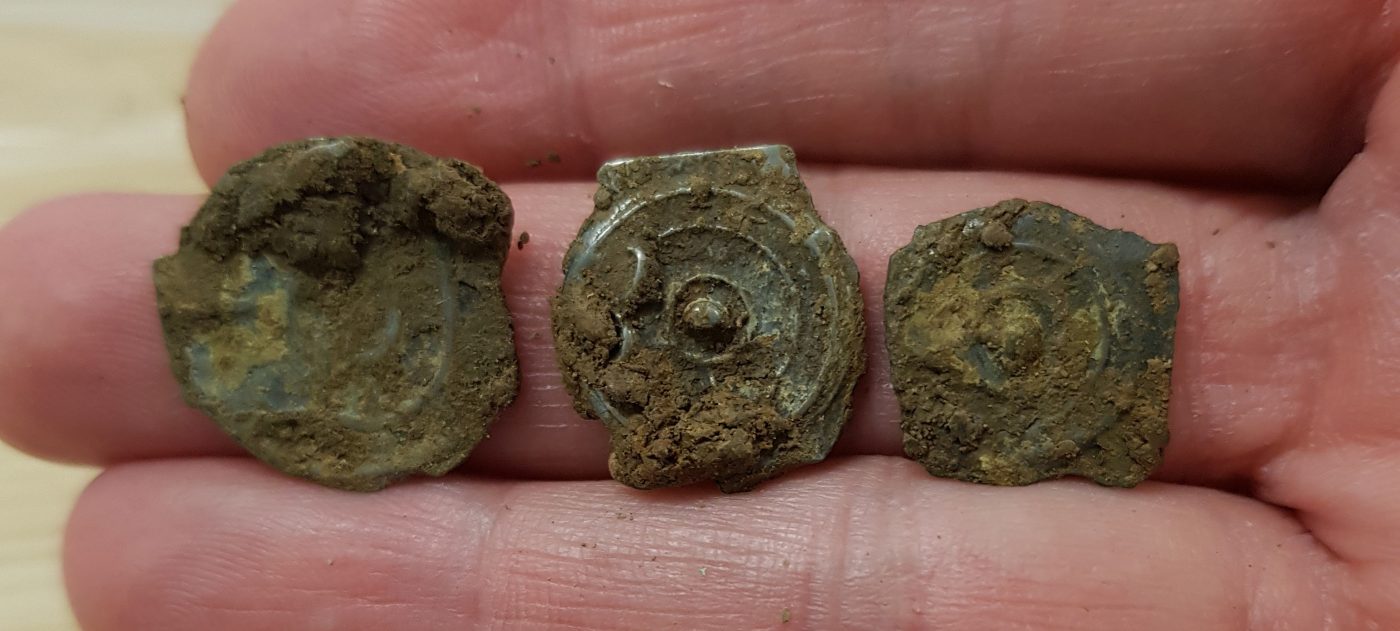
Working in West London, archaeologists uncovered a fascinating rare set of Iron Age potins, an early version of coinage dating back to the 1st century BCDue to the significance of this discovery – over 300 potins – they were recognised as ‘treasure’ under the Treasure Act. 

Neolithic and Bronze Age

Neolithic and Bronze Age

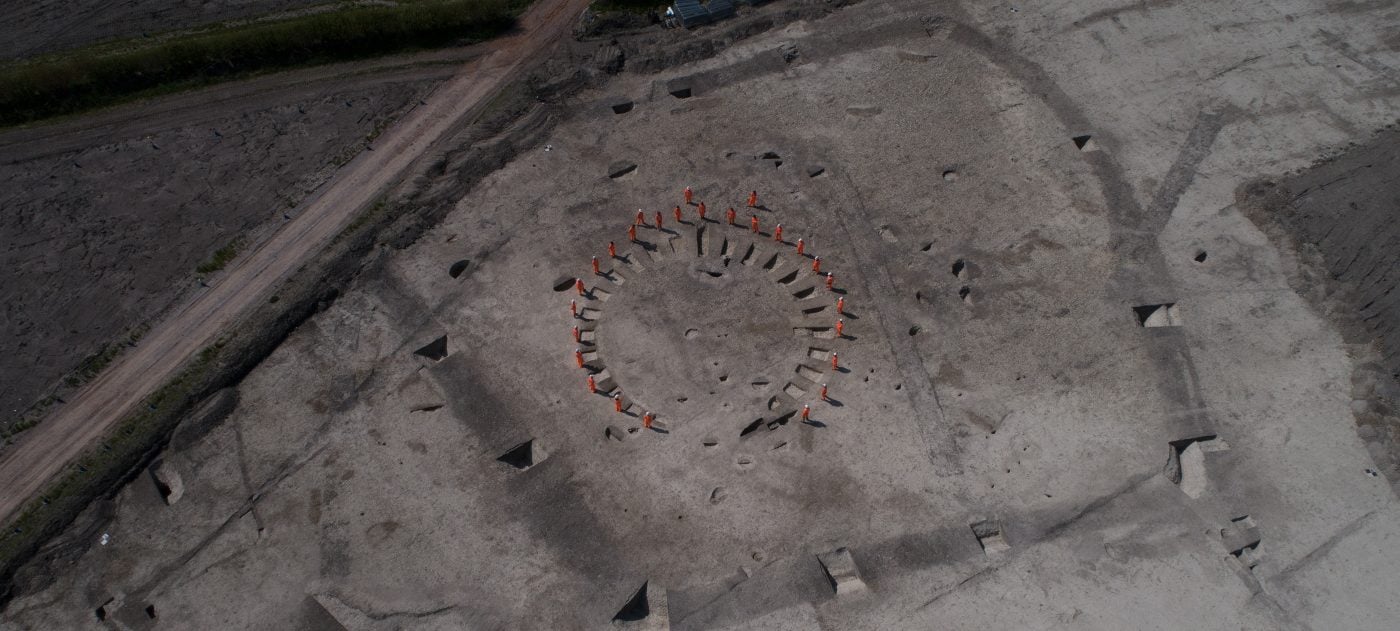
Archaeological works in Buckinghamshire, have revealed a wealth of evidence of human activity dating from the Neolithic and Early Bronze Age. Archaeologists uncovered a large circular monument of wooden posts 65 metres in diameter with features aligned with the Winter Solstice, similar to Stonehenge.

Sharing the discoveries

Our fieldwork investigations involved the expertise of 1,000 archaeological specialists to meticulously record evidence of the past.

Now that fieldwork is complete, we’re in the post-excavation stage. This work will involve an initial period of detailed design followed by research, analysis, publication and archiving.

Throughout this extensive programme of work we’ll continue to:

  • train the next generation of specialists
  • work with the wider industry to share lessons learnt and ways of working
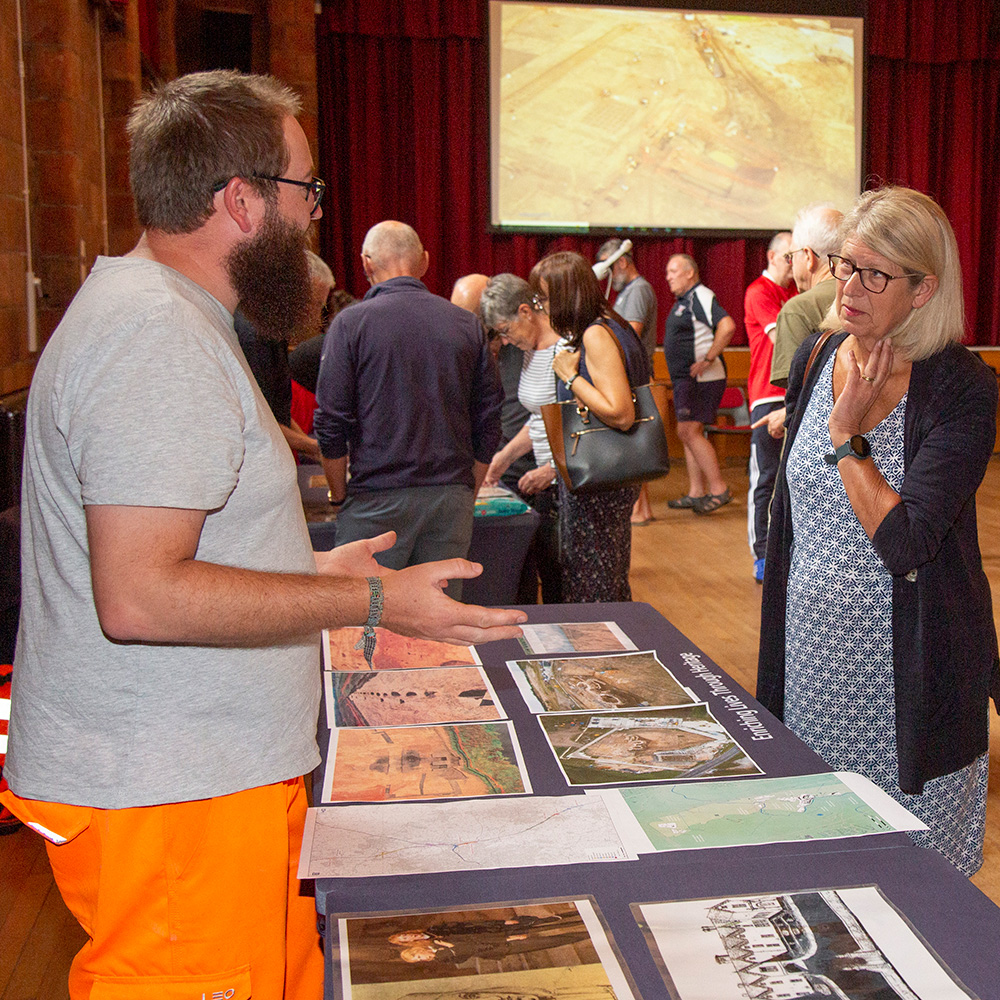
  • share our discoveries with communities both close to the route and beyond

Dignity, care and respect

All human remains affected by HS2 are treated with dignity, respect and care. We and our contractors recognise our duty to address the concerns of individuals and communities. 

The careful excavation of the remains of ordinary people and celebrities of their time give us an unprecedented opportunity to trace our ancestors and tell their stories. 

Email newsletters

Subscribe to our Project Update newsletter to receive the latest news and updates about HS2.

Sign up here