Ancient woodlands
Building Britain’s new high-speed railway
We recognise the importance of ancient woodlands and have designed the railway to avoid these habitats wherever possible.
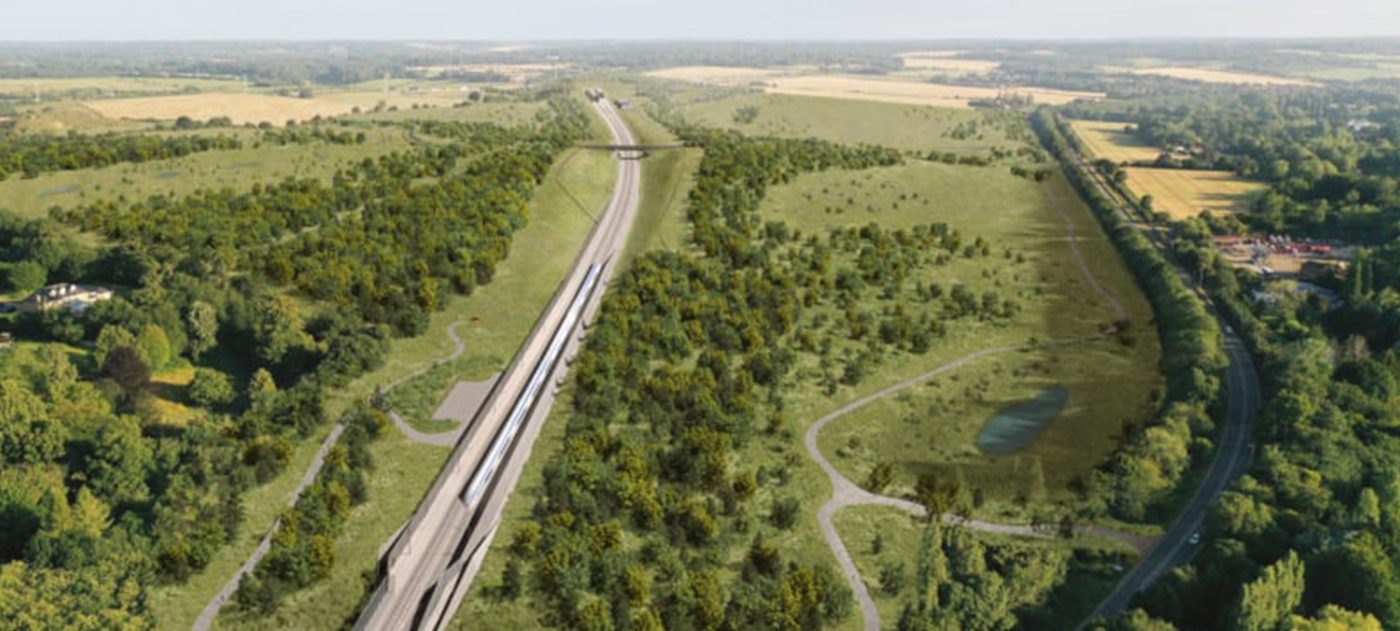
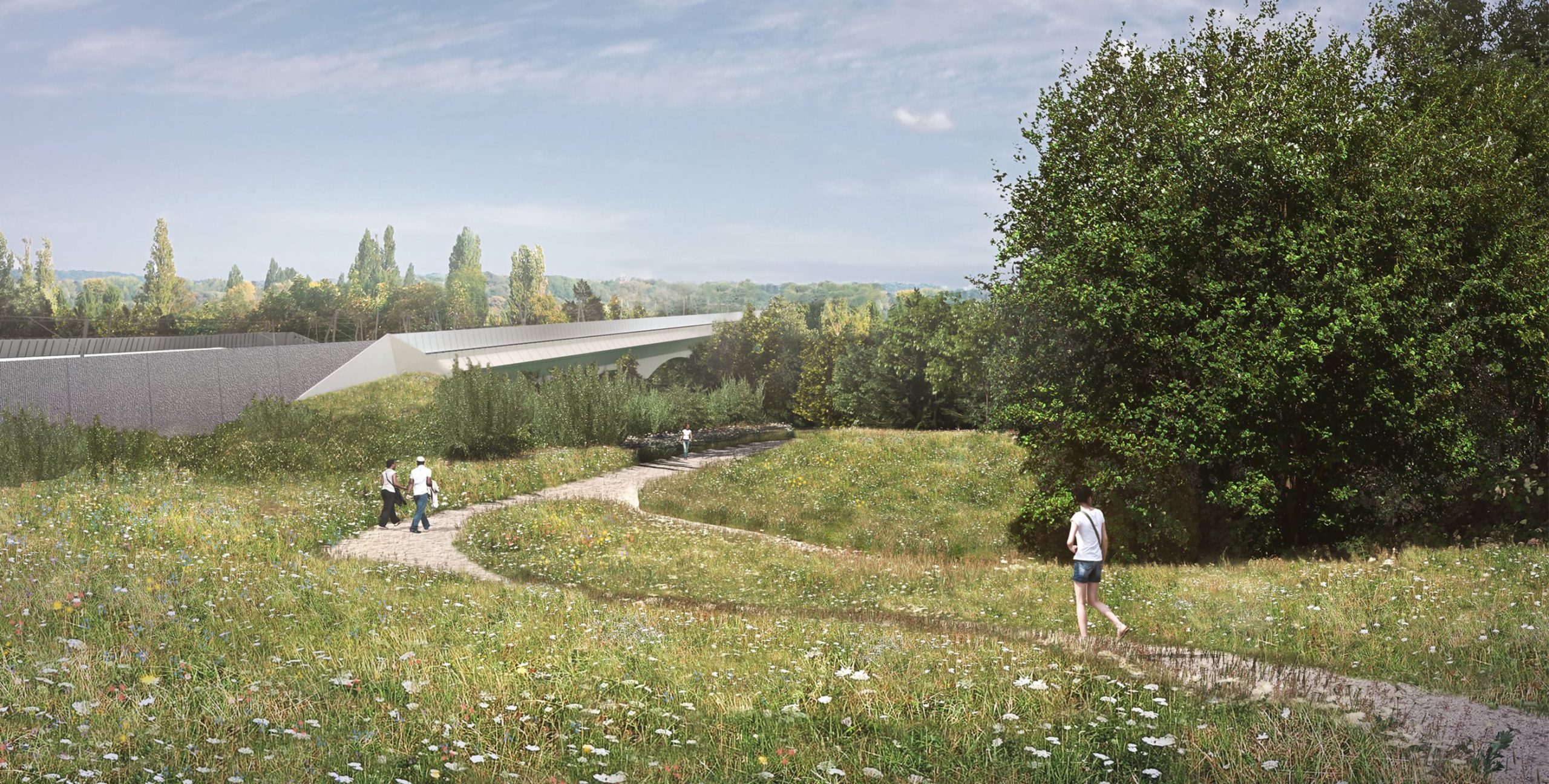
Reducing our impact on ancient woodlands is one of our highest priorities. More than half of the route between the West Midlands and London will run underground in tunnels or be lowered into the landscape through cuttings. This helps us avoid precious woodlands and integrate the railway into its surroundings.
Through ongoing design refinements, we’ve already reduced impacts to ancient woodlands by about 30% compared to our original forecasts.
Reducing our impact
Ancient woodlands are areas that have been continuously wooded since at least 1600 AD. They’ve developed complex, irreplaceable ecosystems over hundreds of years.
There are more than 52,000 ancient woodland sites in England. Our original assessments identified parts of 32 ancient woodlands that would be affected by the route. Through continuing design work, we’ve removed impacts to seven of these, bringing the total to 25. Of those 25 woodlands, over 85% of the total area will remain intact.
For The West Midlands to London route, 0.0005% of England’s ancient woodland will be lost — and we’re actively working to reduce that further.
HS2 Woodland Fund
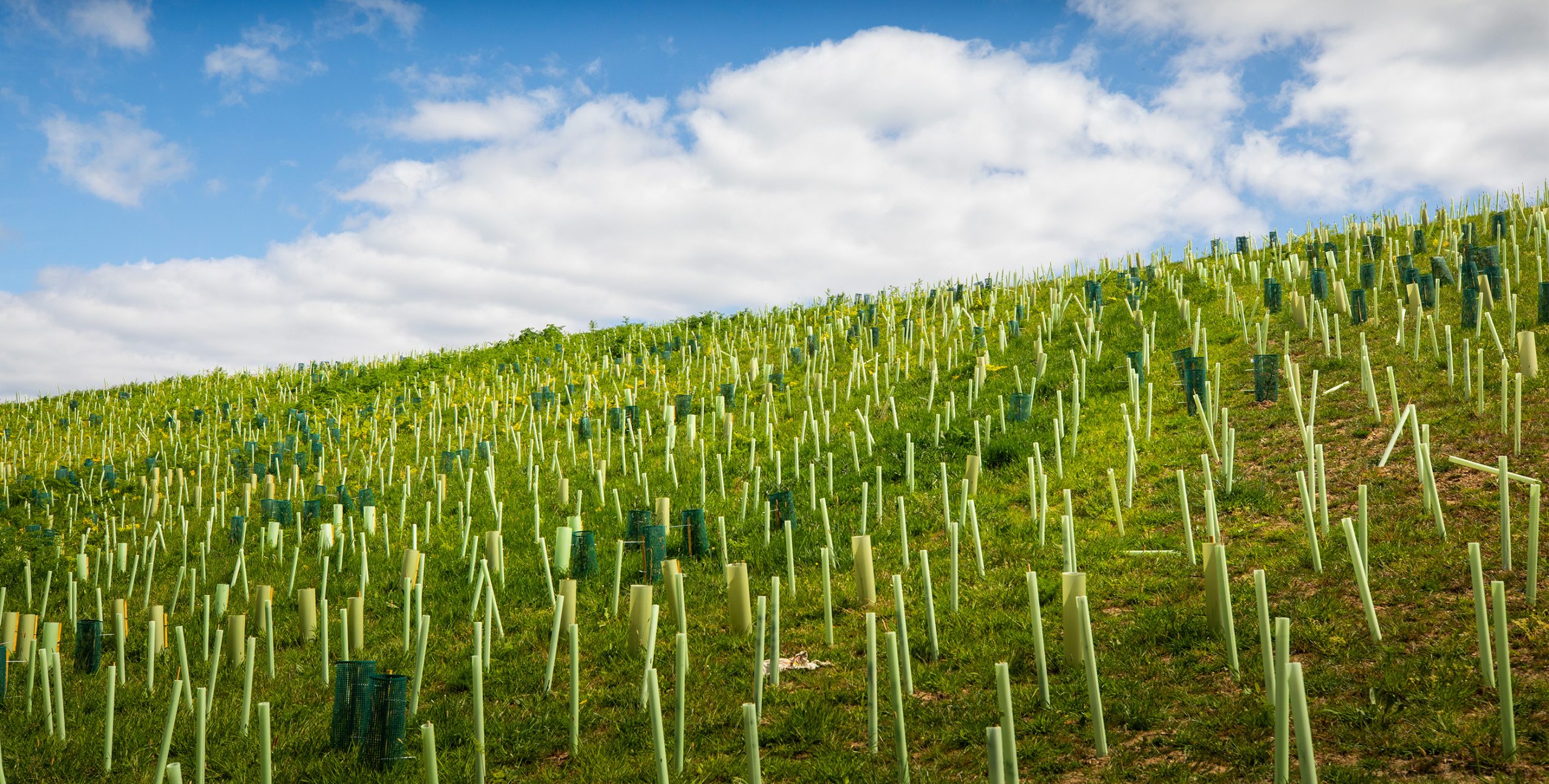
Alongside core compensation measures, funding for restoration of existing ancient woodlands and creation of new native woodlands that connect or extend existing woodland along the route was created with eligibility for schemes within 25 miles of the railway.
So far, the fund for HS2 has created more than 175 hectares of new woodland and restored more than 70 hectares of existing ancient woodland — planting more than 420,000 new trees.
Email newsletters
Subscribe to our Project Update newsletter to receive the latest news and updates about HS2.