Testing and commissioning
How we're building HS2
Like building a house, we’re building HS2 in the right order. Each stage must be finished safely before the next begins.
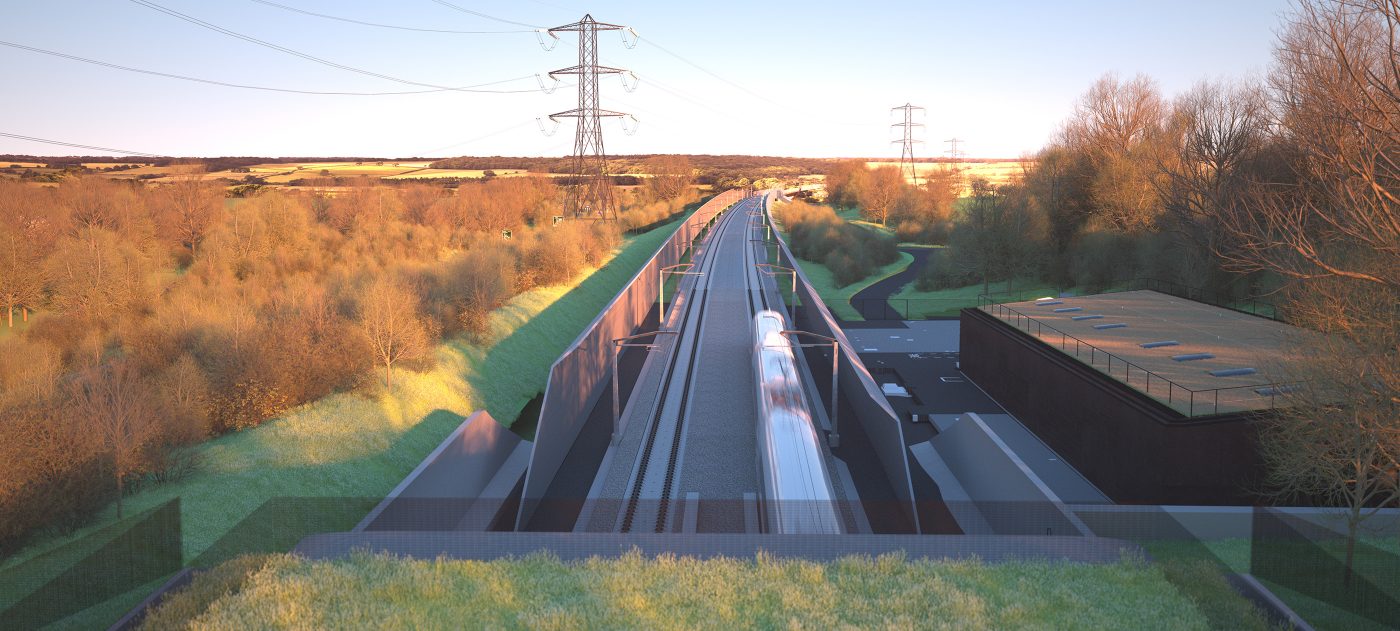
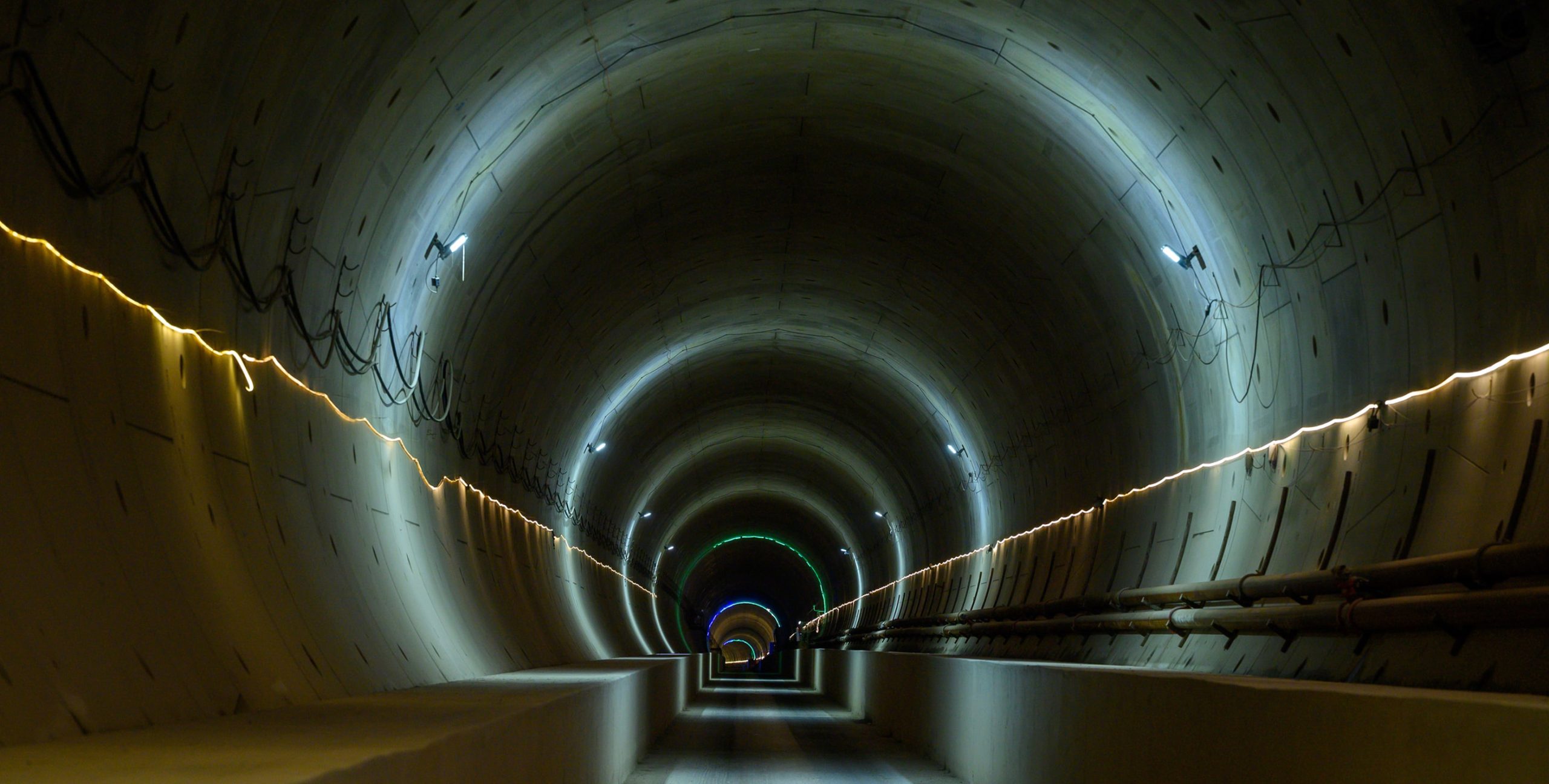
First, we prepare the ground. Then we build the main structures – tunnels, viaducts, cuttings and stations. Once these are in place, we install the railway systems: track, power, signalling, communications and the new trains.
Only when all this is complete can we test the railway thoroughly before opening to passengers.
We’re now in peak construction
We’re now in peak construction – the busiest phase of the programme. Across the route, thousands of people are building tunnels, stations and viaducts, supporting jobs and skills across the UK.
On complex projects like HS2, plans need to adapt as work progresses. That’s why we’re prioritising how and where we finish construction, so testing can begin as early and safely as possible.
How we’re testing in phases
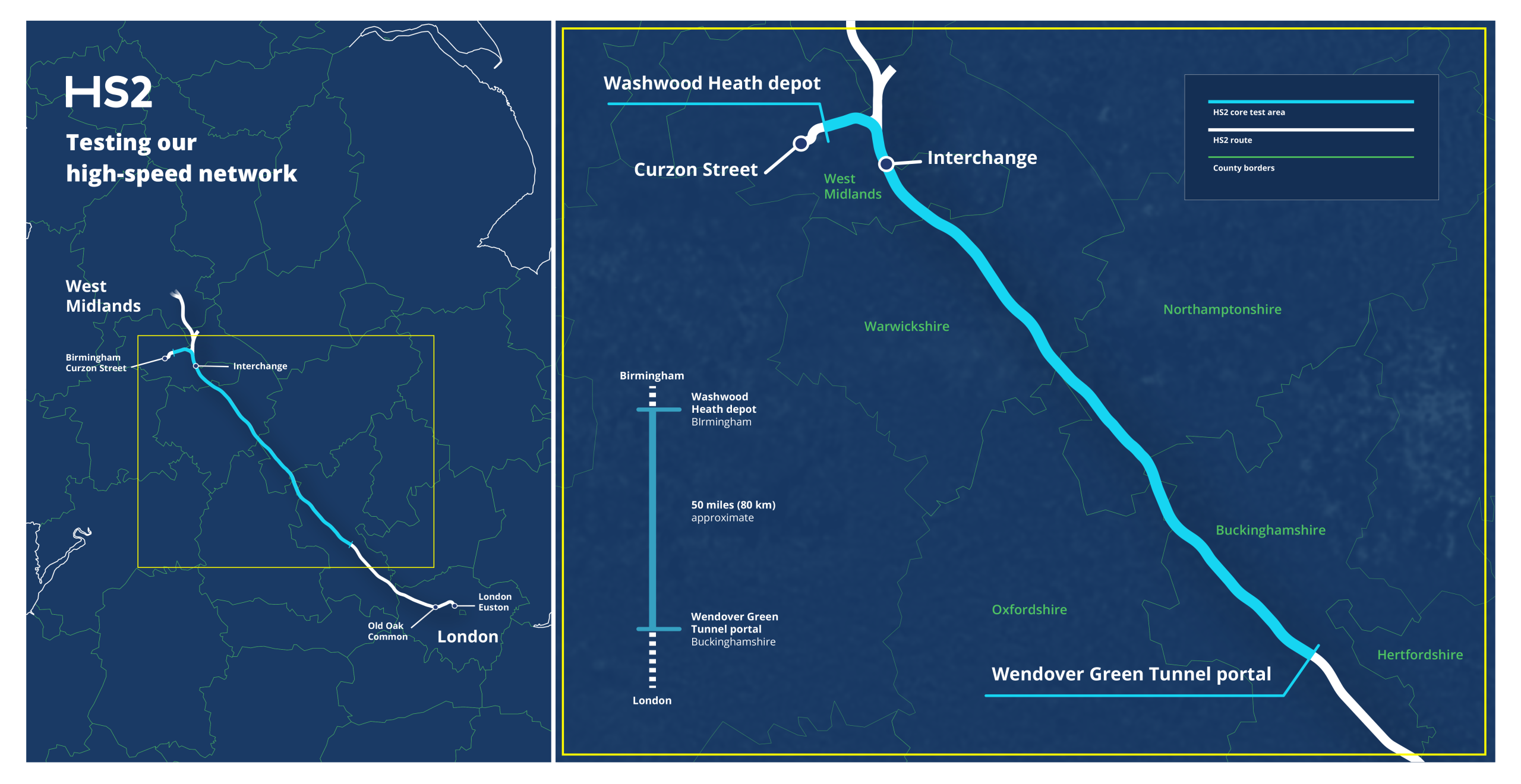
We’re prioritising a key 50-mile (80km) section of the railway between east Birmingham and south Buckinghamshire as our initial test area.
Testing a new railway happens in stages:
- static testing, where we test individual systems without trains
- dynamic testing, where trains run on the track and we test all systems together
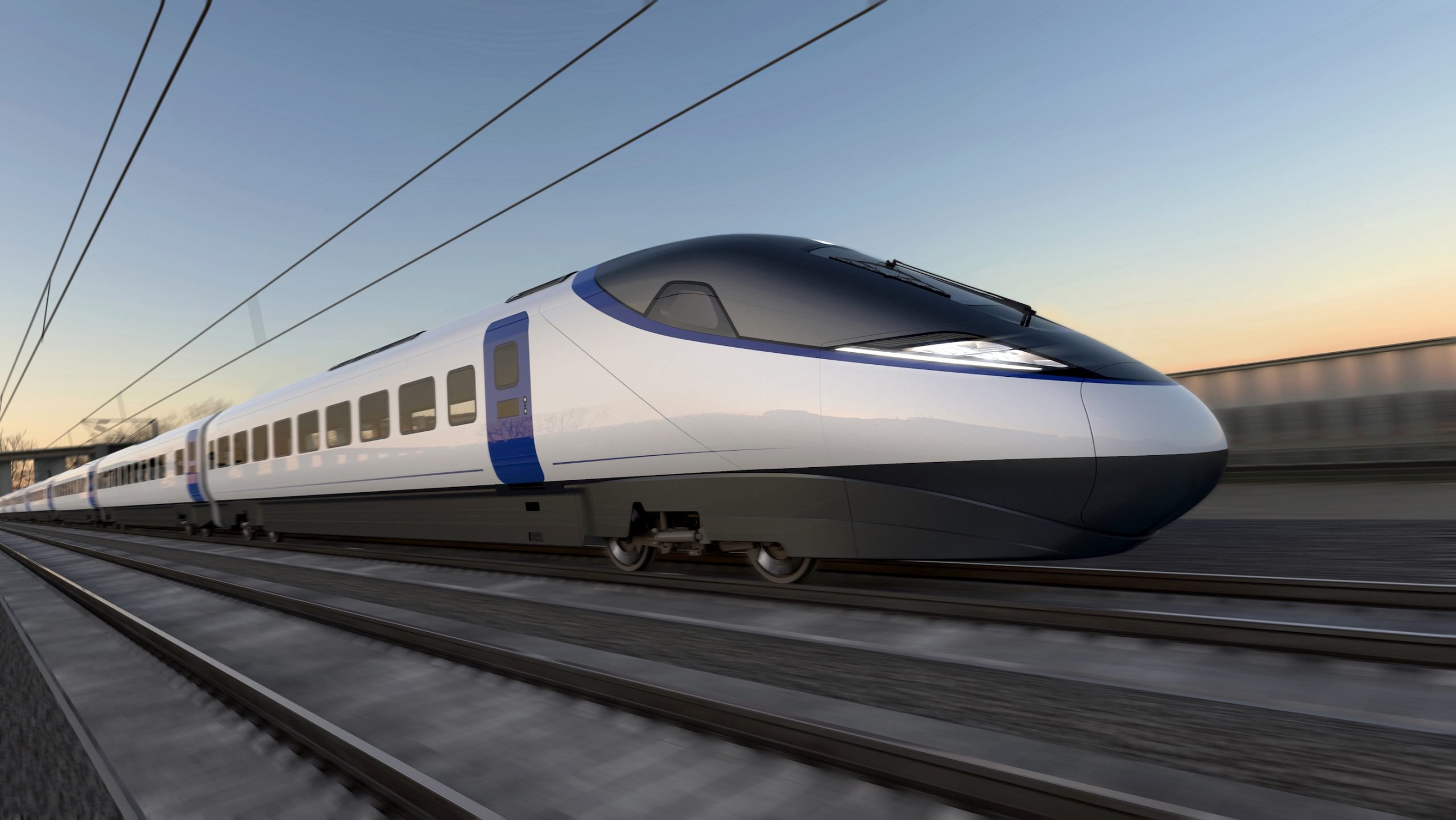
To carry out full dynamic testing, we need about 50 miles (80km) of railway. This gives our high-speed trains enough distance to safely accelerate to more than 200mph (320km/h) and to fully test and calibrate braking systems.
By using the first completed section of the route as a test area, we can begin testing while construction safely continues elsewhere.
The HS2 test area
The core test area will run for about 50 miles (80km), from:
- Washwood Heath in Birmingham, where we’ll locate the Network Integrated Control Centre
- to the north portal of the Wendover green tunnel in Buckinghamshire
We selected this section because it:
- is long enough to test trains at full speed
- provides enough distance for braking tests
- includes enough completed structures for effective, end-to-end testing
Keeping testing on track
Finishing the civil engineering works on this section is now our top priority. This allows a clean handover to rail systems engineers.
To protect the test programme, we’ve deferred some works outside this area. This includes engineering at Handsacre in Staffordshire (where HS2 connects to the West Coast Main Line) and some secondary works in the London tunnels. This helps keep testing on track.
How we're building Britain's new railway
Trial operations and opening
Once testing on the first section is complete, we’ll move into trial operations. We’re planning for the first passenger services to run between Old Oak Common station in west London and Birmingham Curzon Street station.
Future stages will extend HS2 south to London Euston and north, connecting with the existing railway to the North West and Scotland.
Why we’re taking this approach
A review by Mark Wild in spring 2025 showed that earlier plans did not allow enough time for testing. We’ve learned from other major projects, including Crossrail, where Mark successfully opened the Elizabeth line.
Testing the railway in phases means we can open services sooner and more safely. Waiting until all civil engineering work between Curzon Street station and Old Oak Common station was complete before starting testing would significantly delay the railway’s opening.
By building and opening HS2 in this way, passengers benefit from safer, more reliable journeys – and the economy benefits as each section of the railway comes into use.
Email newsletters
Subscribe to our Project Update newsletter to receive the latest news and updates about HS2.