Copthall tunnel
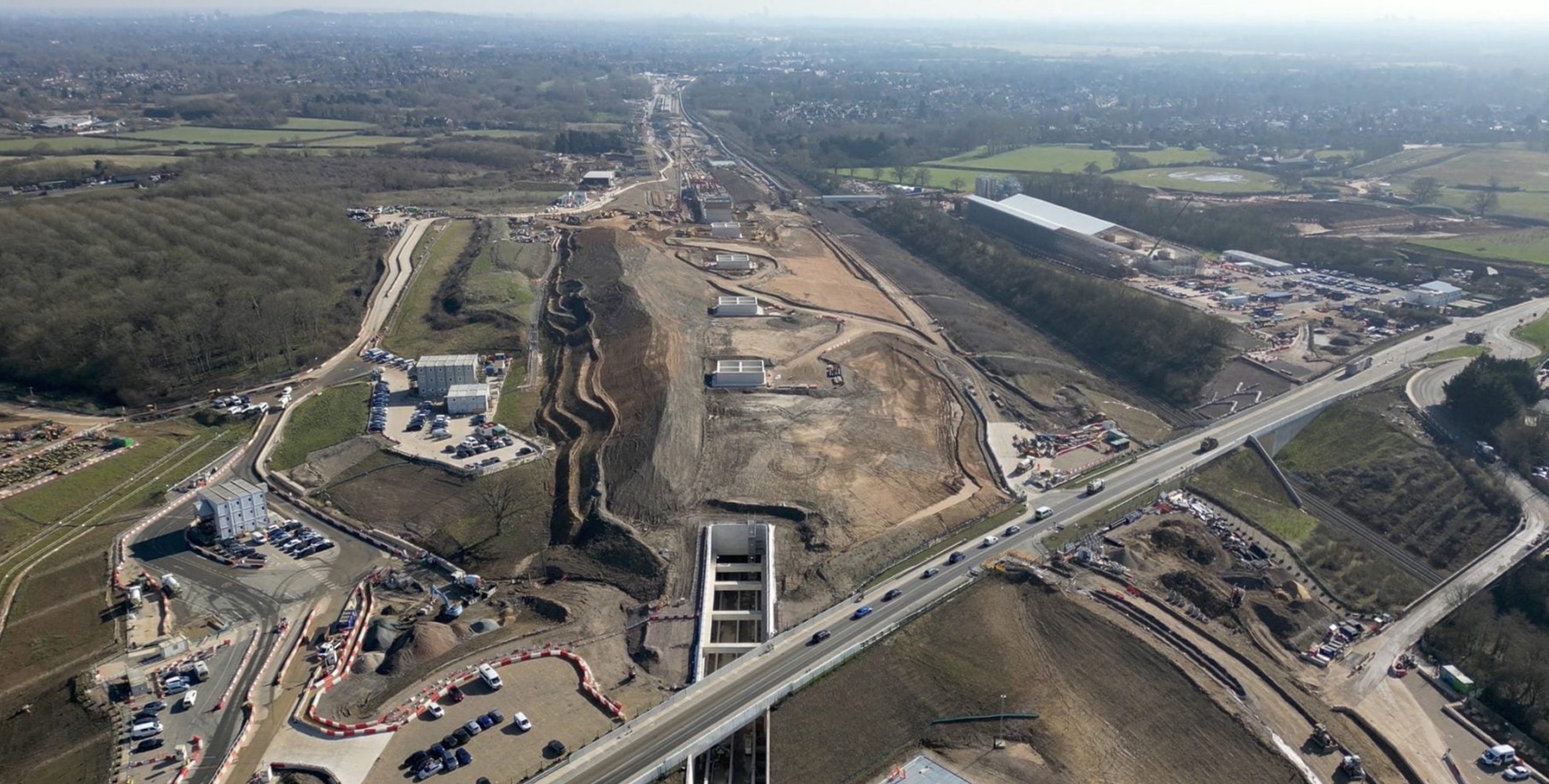
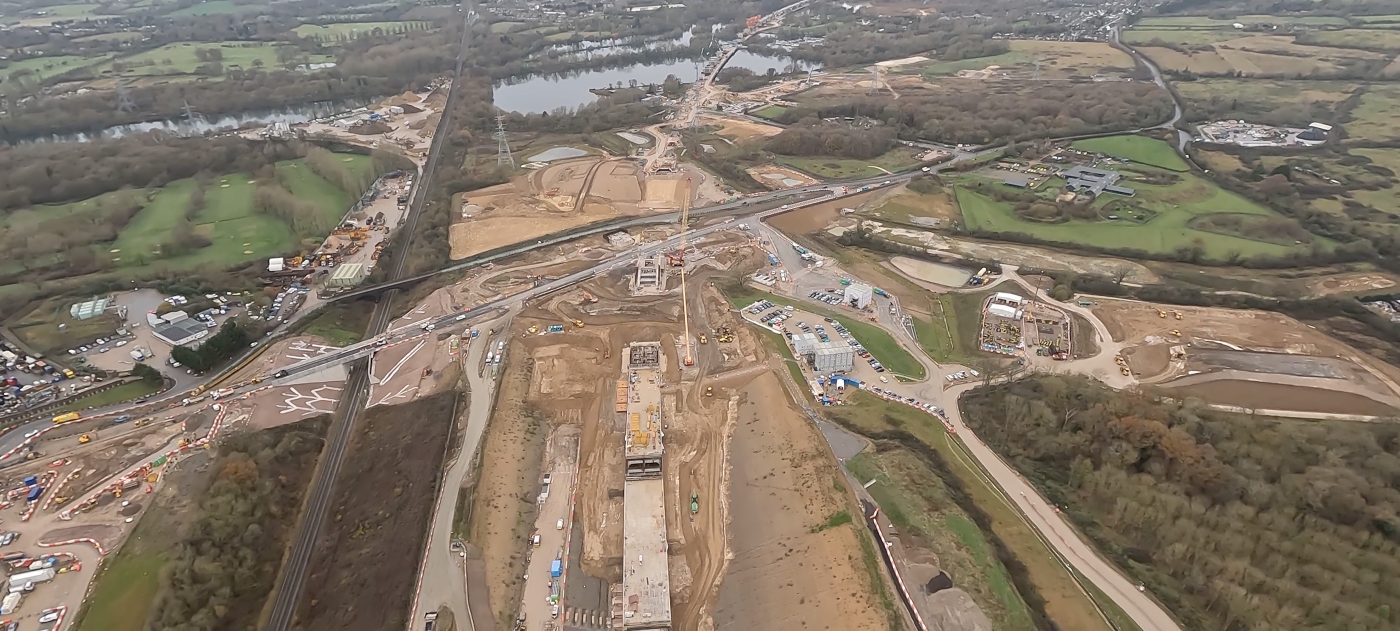
From Hillingdon to the Colne Valley
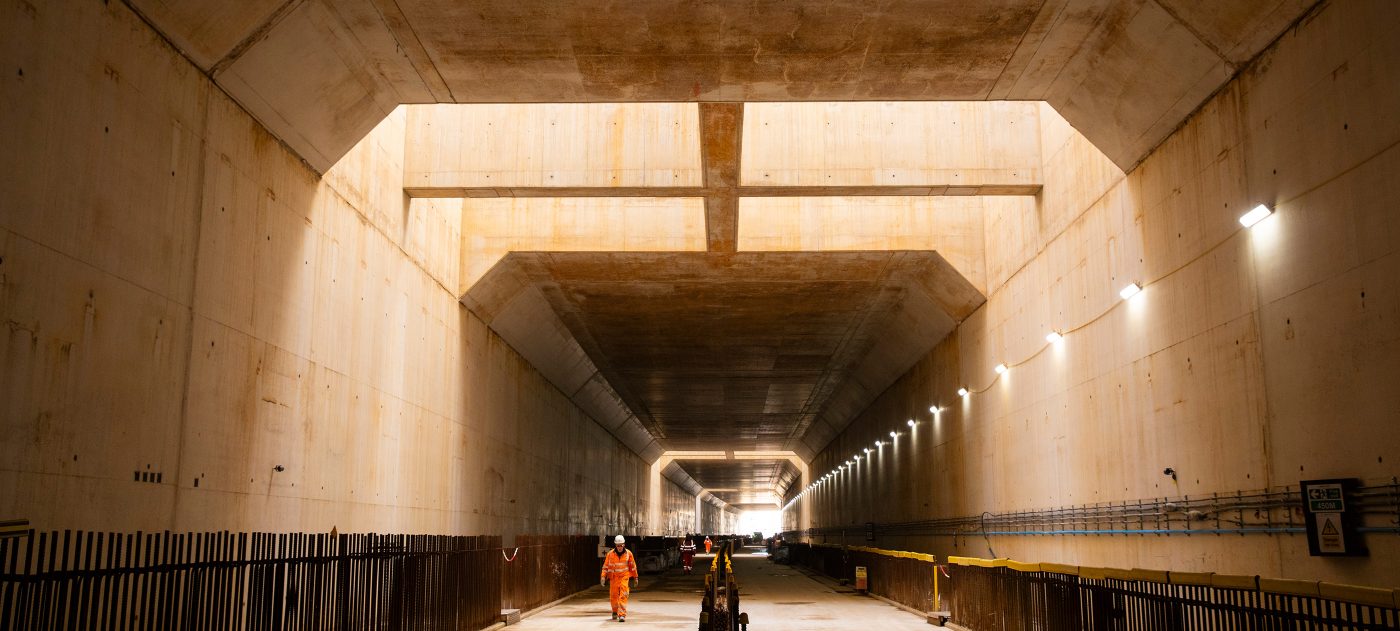
The Copthall tunnel is located in the London Borough of Hillingdon. It stretches 880 metres between Harvil Road in the west and Breakspear Road South in the east. It is between the twin–bored Northolt tunnel and the Colne Valley viaduct.
It is one of five cut-and-cover, or green tunnels, on the route. These shallow tunnels are built on the surface before being buried. They have trees, plants, and shrubs planted on top to blend into the landscape. To reduce the number of trucks on the road material from the excavation is kept on site and then reused for the tunnel surroundings.
Tunnel construction
To build the tunnel, the site team dug 30 metres down from ground level. Piles were installed at the portal to support the shallower tunnel sections.
The tunnel uses a reinforced concrete structure forming a base slab, walls, and roof. The box structure is formed with tied steel bars encased in concrete – designed for high-speed trains and to support the green landscaping above.
To construct the roof, a 40 metre-long temporary deck is positioned between the box walls, to support it during concrete pouring. The deck is moved 20 metres forward, so the next roof section can be built.
Harvil Road, near the tunnel, has been realigned to pass over the western end of Copthall tunnel. The road realignment deck was installed and reopened in February 2024.
Environmental integration
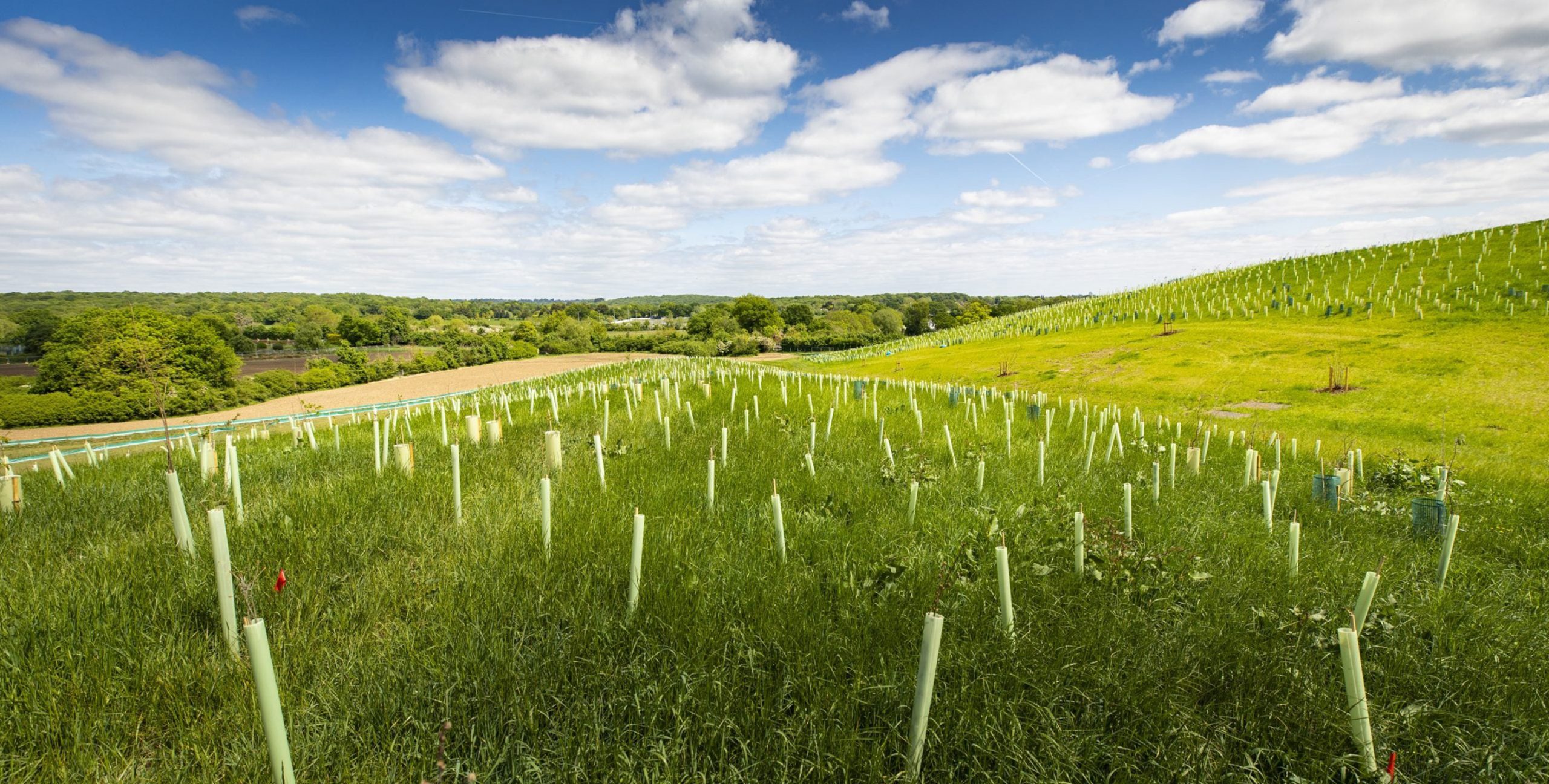
40 hectares of habitat in sustainable placement areas has been created in the area surrounding Copthall tunnel. This extends from the tunnel portal near West Ruislip underground station to the western end of the railway’s Colne Valley viaduct at Harvil Road.
The distinctive earth mounds in these areas use material from two site locations. The northern area has four mounds constructed from surplus material excavated during Copthall tunnel construction. Meanwhile, the three mounds in the southern area incorporate material from the Northolt tunnel excavation.
These innovative sites serve a dual purpose: creating valuable new wildlife habitats, while eliminating emissions and community disruption that would result from transporting materials away by road.


Email newsletters
Subscribe to our Project Update newsletter to receive the latest news and updates about HS2.