Green tunnels
What is a green tunnel?
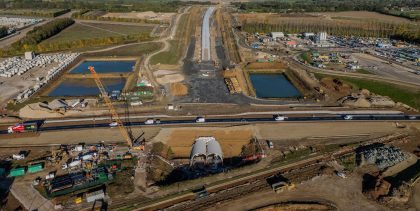
Five green tunnels are being built between London and the West Midlands. They were strategically positioned to minimise disruption to natural habitats and local communities.
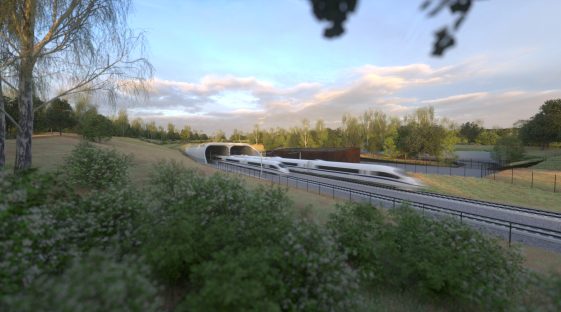
Cut-and-cover tunnels are known as green tunnels because after the tunnel structure is complete, the surface is planted with local trees, shrubs, and vegetation, creating a landscape that:
- Blends naturally with the surrounding environment
- Provides habitat for local wildlife
- Maintains ecological connectivity across the transport corridor
- Reduces visual and noise impacts for nearby communities
The cut-and-cover method is used where it delivers maximum environmental and community benefits while maintaining cost-effectiveness.
Our green tunnels

Copthall tunnel
The tunnel is located in the London Borough of Hillingdon and stretches 880 metres between Northolt tunnel and the Colne Valley viaduct.

Wendover tunnel
Wendover tunnel will stretch for about 1 mile (1.4 km) past the town alongside the existing railway and A413.
Greatworth tunnel
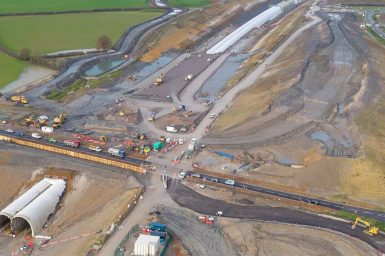
Greatworth tunnel is the longest green tunnel on the HS2 route. It will stretch for 1.7 miles (2.7km) through West Northamptonshire.
Chipping Warden tunnel
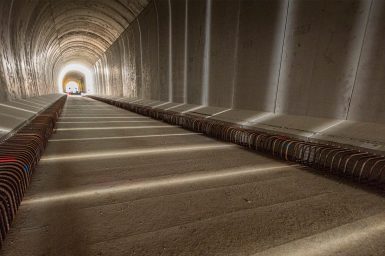
Chipping Warden tunnel will stretch for 1.5 miles (2.5km) through Northamptonshire and is built on the surface before being buried.
Burton Green tunnel
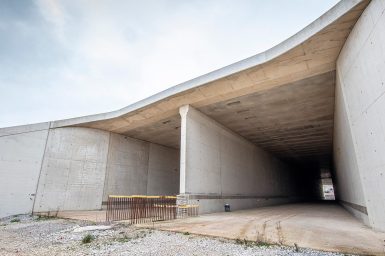
Burton Green tunnel stretches for 700 metres through Burton Green in Warwickshire and will feature a link to Kenilworth.
Construction process
The construction of green tunnels follows a three-stage process designed to minimise environmental impact and create wildlife corridors.
Stage one: Excavation
The construction of our tunnels begins with excavating a deep cutting through the surface. All of the soil and material taken out of the cutting is carefully preserved and stored nearby. This is reused for the final restoration phase.
Stage two: Structural installation
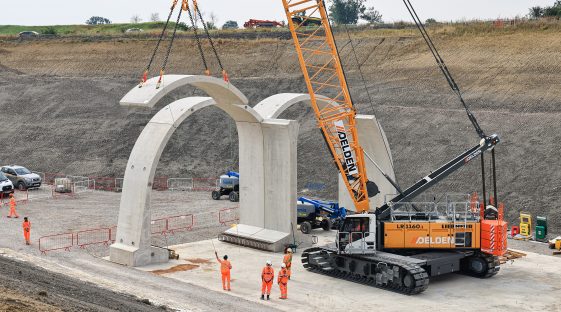
Following the excavation work, a concrete foundation is poured to create a stable base. Prefabricated concrete segments are then positioned and assembled to form the tunnel’s structural framework, creating a durable passage beneath the surface.
Stage three: Environmental restoration
The excavated earth is used to backfill the area above the completed tunnel structure. Local trees, shrubs, and vegetation are planted to restore the natural landscape, so the tunnel blends seamlessly with its surroundings and re-establishes a continuous wildlife habitat.
How and why we're building HS2


HS2 works near you
Sign up for updates about construction in your area. We’ll tell you what we’re building, when we’re working and what we’re doing to reduce disruption.