
Access to land and property
What we do
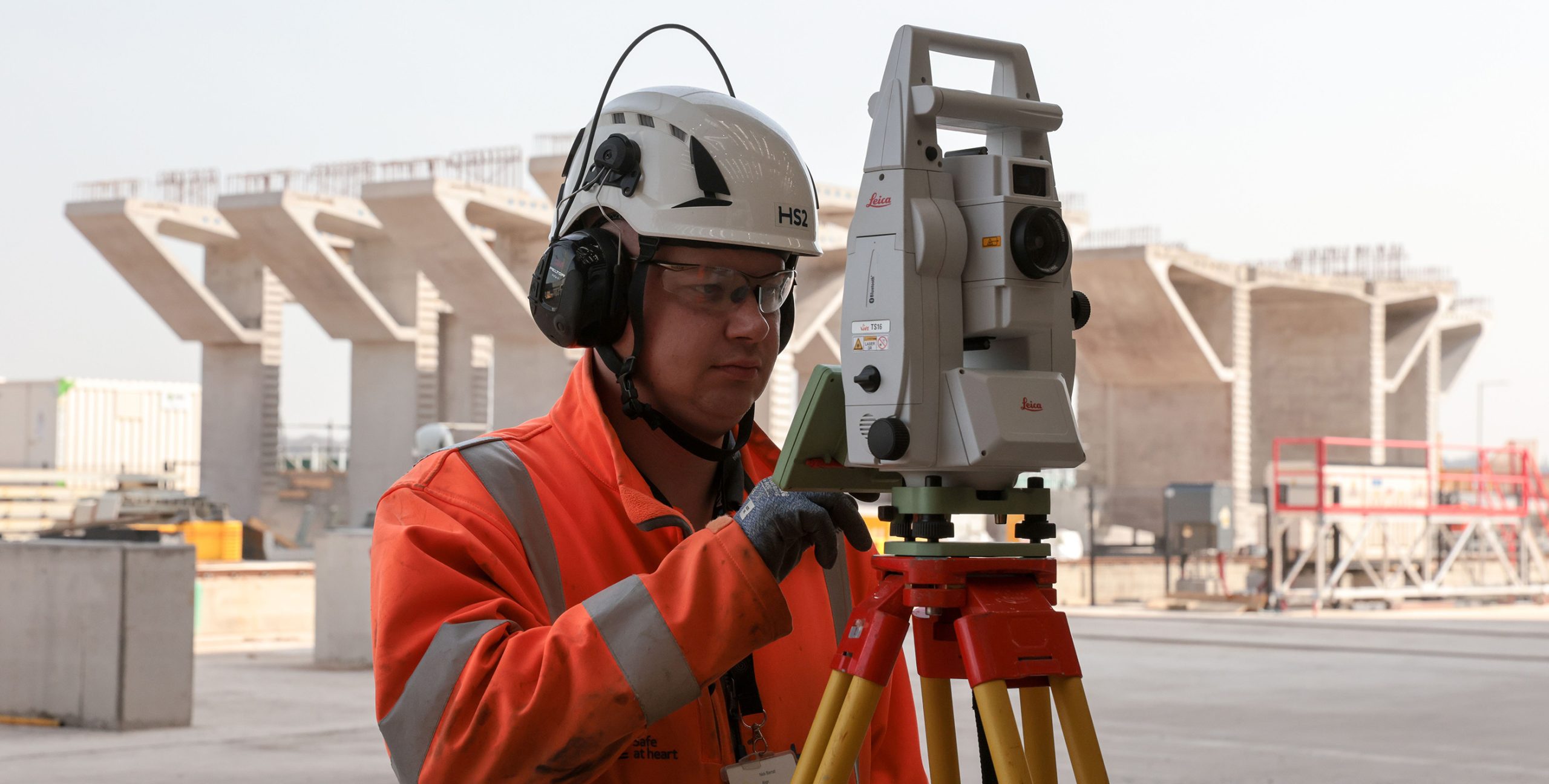
Our land and property team arranges access to private land so we can complete surveys along the HS2 route.
Before Royal Assent, we carry out surveys under a licence. After Royal Assent, we use powers in the High Speed Rail Act.
These surveys help us build a detailed picture of the natural environment along the route. The data helps us reduce HS2’s environmental impact.
Land referencing
We identify who owns and occupies the land we need. This is called land referencing. It helps us understand who is affected and keeps records for future bill deposits.
We also handle all payments for this work.
Phase One
We carry out surveys using powers in the Phase One Act.
Phase 2a
The Phase 2a Bill received Royal Assent in February 2021. Land access licence activity has ended and most licence agreements have expired, apart from a few legacy licences. We carry out surveys using powers in the Phase 2a Act.
Phase 2b
The Phase 2b Bill has not yet received Royal Assent. We carry out any surveys needed under a licence. You will be paid for any licences you agree to.
Read our payment schedule for land access licences
If you receive Phase 2b land access licence documents, read them carefully, then sign and return the licence or LIQ.
Phase 2b land access licence documents
Early access agreement (EAA)As we develop plans for the railway, we need to understand the local environment. This helps us design in ways that reduce environmental effects.
Surveys give us a baseline of current conditions. Where possible, we use public land, footpaths and rights of way. But some surveys need access to private land. For this, we need agreement from landowners and occupiers through an EAA.
Most surveys are ‘non-intrusive’. We:
- observe, measure, take notes and photographs
- may take surface samples
Surveys typically do not cause significant disturbance. But they usually need access to specific locations, such as:
- woodlands
- water bodies
- buildings (for ecological species surveys)
- agricultural land for soil sampling
- archaeological or heritage sites
Ground investigation (GI)To design the railway, we need to understand ground conditions where we want to build. This helps designers plan structures like brides, viaducts, stations and depots. It also informs designs for road and river diversions, tunnels, cuttings and embankments.
Ground investigations tell us about contaminated land that construction might disturb. They also confirm where utilities are and whether we need to divert them.
This data helps contractors design and build the railway safety and efficiently. It also reduces the risk of unexpected ground conditions during construction.
Monitoring licence (ML)This licence allows us to check monitoring equipment we’ve already installed. We usually issue it after ground investigation work, when we’ve left equipment on site to record groundwater levels.
Sound, noise and vibration licenceThis licence lets us measure current sound, noise and vibration levels near the route. This gives us a baseline to assess the environmental effects of HS2.
We monitor noise in areas with sensitive receptors, including homes, businesses and public spaces. We discuss monitoring locations with local authorities environmental health teams. We do not need to monitor noise inside buildings.
We need access to private land to set up and remove monitoring equipment. A surveyor will take measurements for no more than two hours at each location.
For vibration, we monitor fewer locations, focusing on sensitive areas and existing vibration surveys like railway lines.
For both noise and vibration monitoring, survey equipment may need to be secured on private land and residential property, and repeat measurements may be needed to ensure they are accurate and representative.
Land interest questionnaire (LIQ)An LIQ is a form you fill in to confirm whether you have an interest in land affected by HS2. It asks for details about owners, tenants and lessees. We use this information to create the book of reference that accompanies the hybrid bill to Parliament.
As we develop plans for the railway, we need to understand the local environment. This helps us design in ways that reduce environmental effects.
Surveys give us a baseline of current conditions. Where possible, we use public land, footpaths and rights of way. But some surveys need access to private land. For this, we need agreement from landowners and occupiers through an EAA.
Most surveys are ‘non-intrusive’. We:
- observe, measure, take notes and photographs
- may take surface samples
Surveys typically do not cause significant disturbance. But they usually need access to specific locations, such as:
- woodlands
- water bodies
- buildings (for ecological species surveys)
- agricultural land for soil sampling
- archaeological or heritage sites
To design the railway, we need to understand ground conditions where we want to build. This helps designers plan structures like brides, viaducts, stations and depots. It also informs designs for road and river diversions, tunnels, cuttings and embankments.
Ground investigations tell us about contaminated land that construction might disturb. They also confirm where utilities are and whether we need to divert them.
This data helps contractors design and build the railway safety and efficiently. It also reduces the risk of unexpected ground conditions during construction.
Monitoring licence (ML)This licence allows us to check monitoring equipment we’ve already installed. We usually issue it after ground investigation work, when we’ve left equipment on site to record groundwater levels.
Sound, noise and vibration licenceThis licence lets us measure current sound, noise and vibration levels near the route. This gives us a baseline to assess the environmental effects of HS2.
We monitor noise in areas with sensitive receptors, including homes, businesses and public spaces. We discuss monitoring locations with local authorities environmental health teams. We do not need to monitor noise inside buildings.
We need access to private land to set up and remove monitoring equipment. A surveyor will take measurements for no more than two hours at each location.
For vibration, we monitor fewer locations, focusing on sensitive areas and existing vibration surveys like railway lines.
For both noise and vibration monitoring, survey equipment may need to be secured on private land and residential property, and repeat measurements may be needed to ensure they are accurate and representative.
Land interest questionnaire (LIQ)An LIQ is a form you fill in to confirm whether you have an interest in land affected by HS2. It asks for details about owners, tenants and lessees. We use this information to create the book of reference that accompanies the hybrid bill to Parliament.
This licence allows us to check monitoring equipment we’ve already installed. We usually issue it after ground investigation work, when we’ve left equipment on site to record groundwater levels.
This licence lets us measure current sound, noise and vibration levels near the route. This gives us a baseline to assess the environmental effects of HS2.
We monitor noise in areas with sensitive receptors, including homes, businesses and public spaces. We discuss monitoring locations with local authorities environmental health teams. We do not need to monitor noise inside buildings.
We need access to private land to set up and remove monitoring equipment. A surveyor will take measurements for no more than two hours at each location.
For vibration, we monitor fewer locations, focusing on sensitive areas and existing vibration surveys like railway lines.
For both noise and vibration monitoring, survey equipment may need to be secured on private land and residential property, and repeat measurements may be needed to ensure they are accurate and representative.
Land interest questionnaire (LIQ)An LIQ is a form you fill in to confirm whether you have an interest in land affected by HS2. It asks for details about owners, tenants and lessees. We use this information to create the book of reference that accompanies the hybrid bill to Parliament.
An LIQ is a form you fill in to confirm whether you have an interest in land affected by HS2. It asks for details about owners, tenants and lessees. We use this information to create the book of reference that accompanies the hybrid bill to Parliament.
Further support
If you have questions, contact WSP on 0161 200 5299 or contact the HS2 Helpdesk.
If you need legal help, you can appoint a land agent or solicitor. Annex 2 in your licence shows the rate for professional fees we will pay on your behalf.
You can find a land agent through:
Email newsletters
Subscribe to our Project Update newsletter to receive the latest news and updates about HS2.