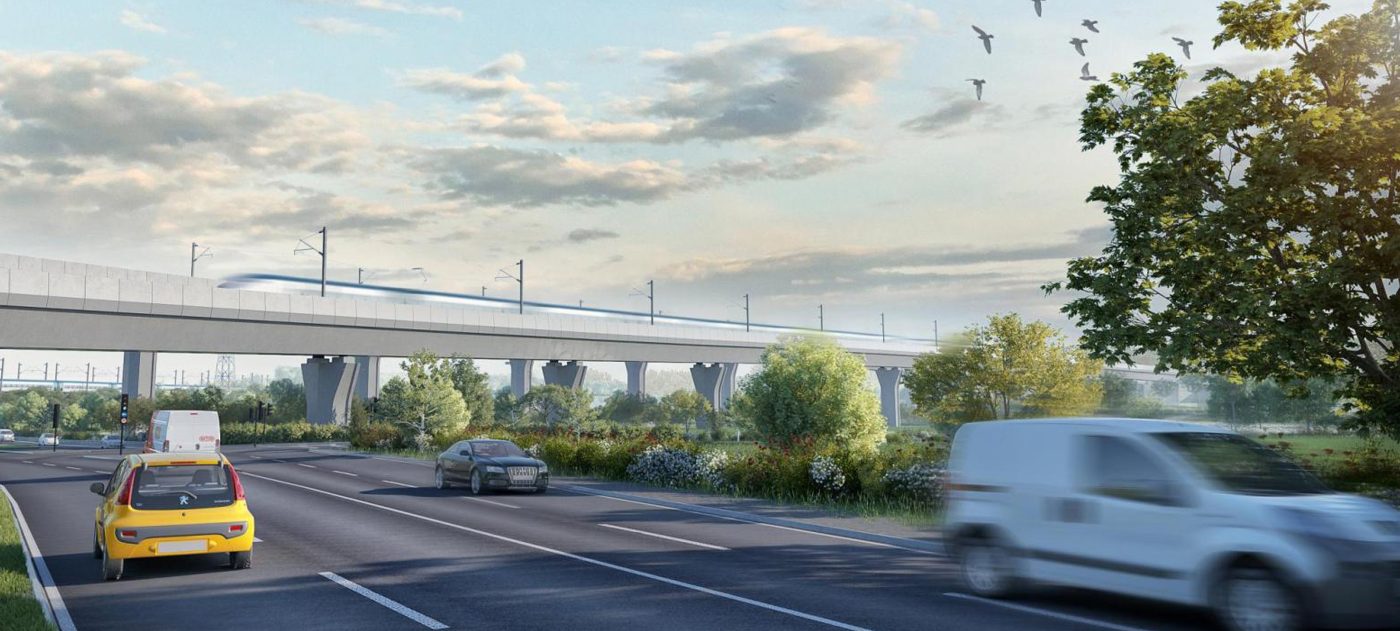
Delta Junction viaducts
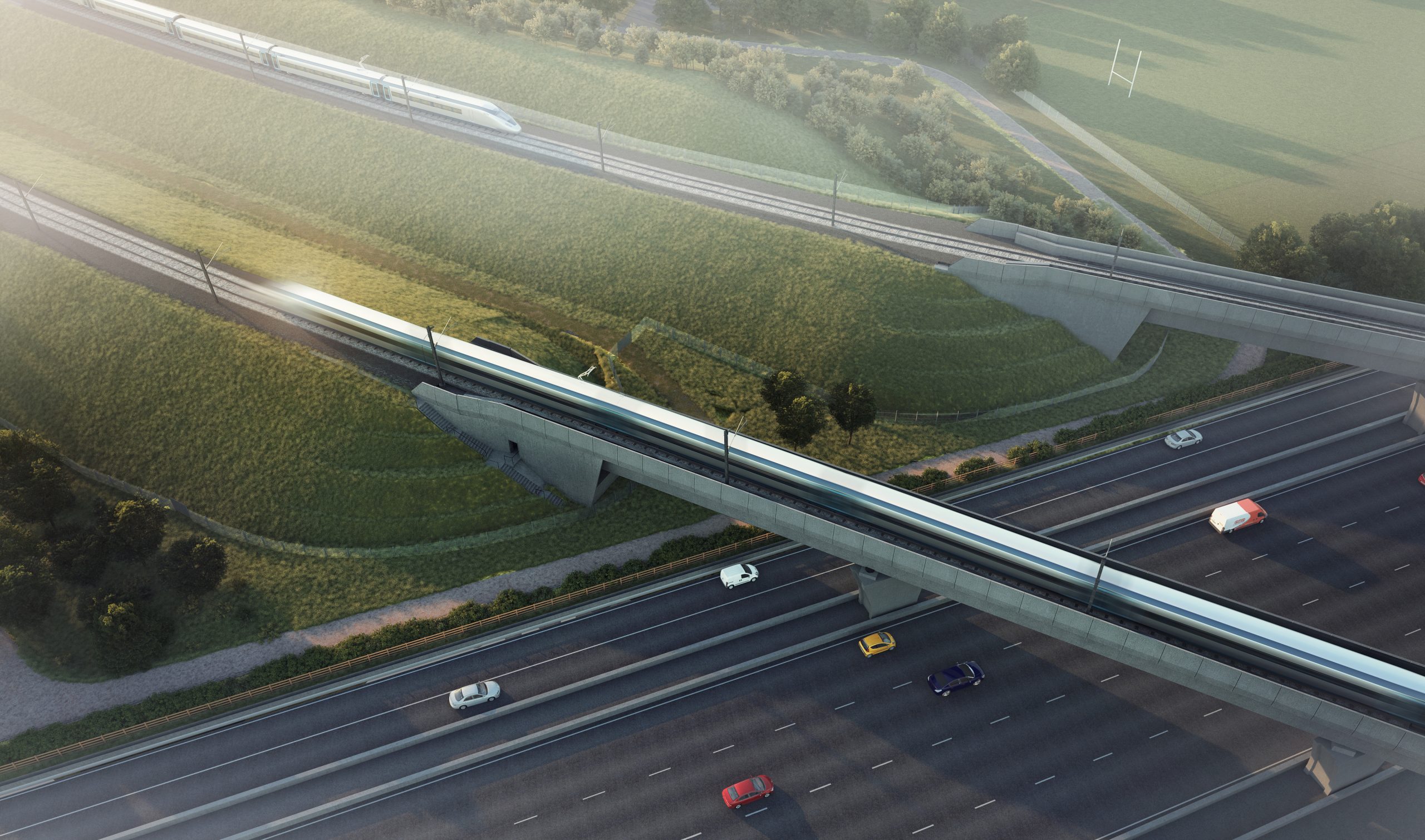
A critical part of HS2’s West Midlands network
Located north-east of Birmingham, this complex triangular section of railway lets high-speed services divide and connect – linking London, Birmingham, Manchester and the East Midlands.
Delta Junction allows trains to travel between London and Birmingham, Birmingham and Manchester, and directly between London and Manchester without stopping at Birmingham. Its distinctive triangular layout gives the junction its name, reflecting the shape of the Greek letter delta (Δ).
To achieve this, we’re building embankments, cuttings and 13 viaducts that carry high-speed tracks over motorways, local roads, existing rail lines, rivers and floodplains — while minimising disruption to communities and the environment below.
Delta Junction map

Why Delta Junction matters
Delta Junction is where HS2 Phase One connects with the route towards the North West and the East Midlands. It allows trains to:
- travel north towards Manchester
- connect east towards the East Midlands
- serve Birmingham Interchange station
- join or leave the high-speed network seamlessly
This critical infrastructure lets HS2 operate as a fully integrated national network — increasing capacity, improving reliability and reducing journey times between the UK’s major cities.
Engineering at scale
Stretching several kilometres across open countryside, the Delta Junction viaducts form one of the largest continuous viaduct systems on the HS2 programme.
Key engineering features include:
- long-span deck structures designed for high-speed operation
- precast concrete segments manufactured off-site for precision and efficiency
- in-situ piers and deep pile foundations tailored to varying ground conditions
- deck launching techniques that reduce the need for extensive ground-based scaffolding
We’ve carefully designed the structures to manage complex ground conditions, flood risk areas and crossings over existing infrastructure.
What we're delivering for the Delta Junction
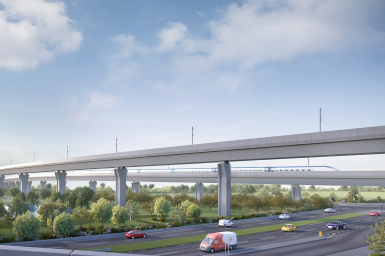
Precast segmental viaduct
We’re building these viaducts from precast concrete deck segments manufactured at our Kingsbury Precast Yard near Lea Marston.
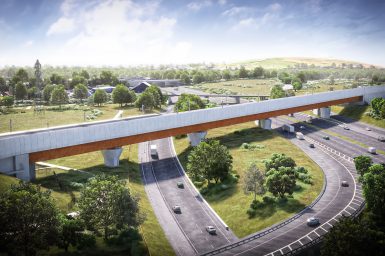
Composite viaducts
Composite viaducts use a reinforced concrete deck. This design is particularly suited to longer crossing over major infrastructure.
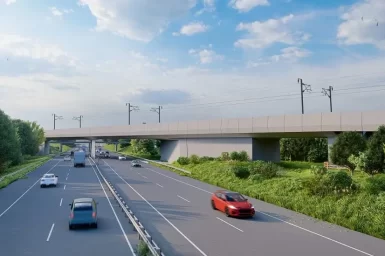
Low viaducts
These structures use precast concrete beams supporting a reinforced concrete deck. We use them where clearance requirements are lower.
Building with precision
Construction combines traditional civil engineering techniques with advanced digital design.
- Detailed 3D modelling ensures precise alignment of each structure.
- Segmental construction allows decks to be assembled span by span.
- Launching gantries position large concrete sections safely and efficiently.
- Careful sequencing minimises disruption to surrounding roads and railways.
By manufacturing many components off-site, we improve safety, quality control and environmental performance.
Latest progress
Environmental considerations
Delta Junction crosses floodplains, watercourses and agricultural land. The elevated viaduct design reduces the footprint on the ground, maintaining natural drainage patterns and wildlife movement beneath the railway.
Environmental measures include:
- habitat creation and ecological enhancement
- sustainable drainage systems
- responsible materials selection to reduce embodied carbon
- landscaping to integrate the structures into the local setting
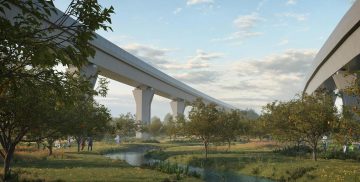
Our landscape architects and engineers — working with Systra, Mott MacDonald and Weston Williamson + Partners — are designing connected and accessible green spaces around the junction. This includes tree planting, new wildlife habitats and improved walking and cycling routes within a nature-rich corridor.

Slide 1 of 2: View of the Water Orton viaducts and the surrounding ecological enhancement.

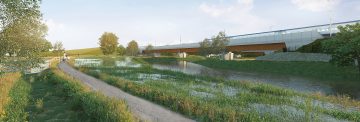
Slide 2 of 2: View from public path looking at River Cole Viaducts with river partially flooded
Keeping you informed

Stay informed about the works
Find information about HS2 works and activities taking place in your area.

Managing impacts of construction
Find out information about how we manage construction impacts.

Construction look ahead
Read our three-month look ahead for associated work in Warwickshire.
A landmark for the West Midlands
Building the Delta Junction viaducts supports hundreds of skilled jobs across the West Midlands and strengthens the UK’s expertise in high-speed rail infrastructure.
When complete, the viaducts will be a defining feature of this section of the railway — engineered for performance and durability, while carefully designed to sit sensitively within the landscape.
Together, they represent a vital connection point in Britain’s new high-speed network, helping to deliver:
- faster journeys
- increased rail capacity
- greater regional connectivity
- long-term economic growth across the Midlands and the North