Chiltern tunnel
From the Chilterns to Wendover
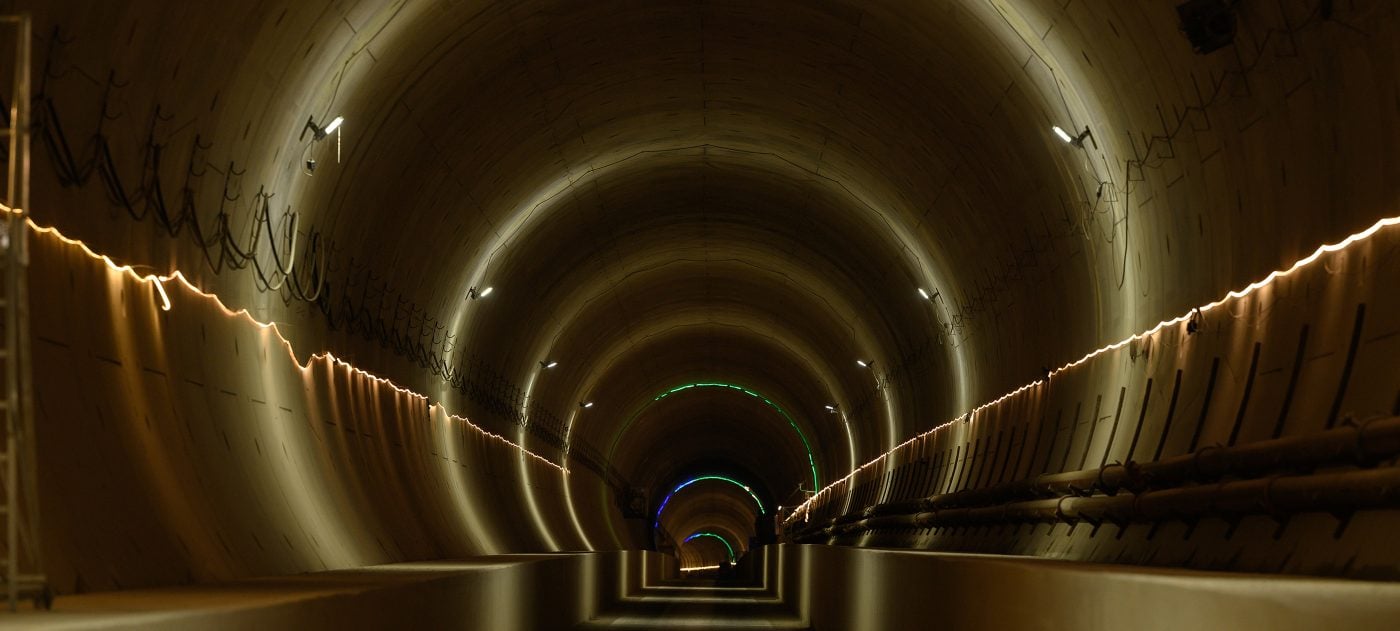
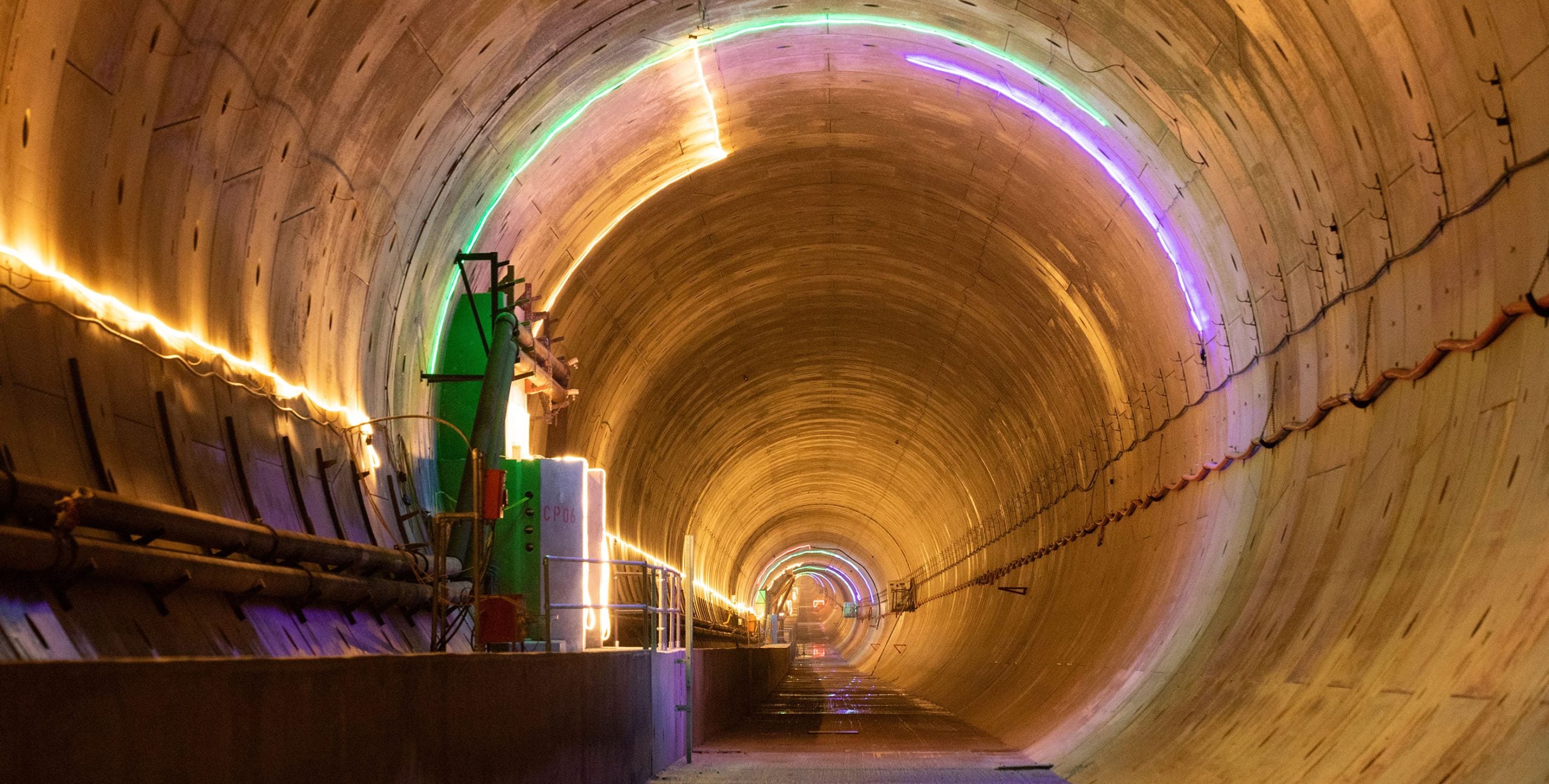
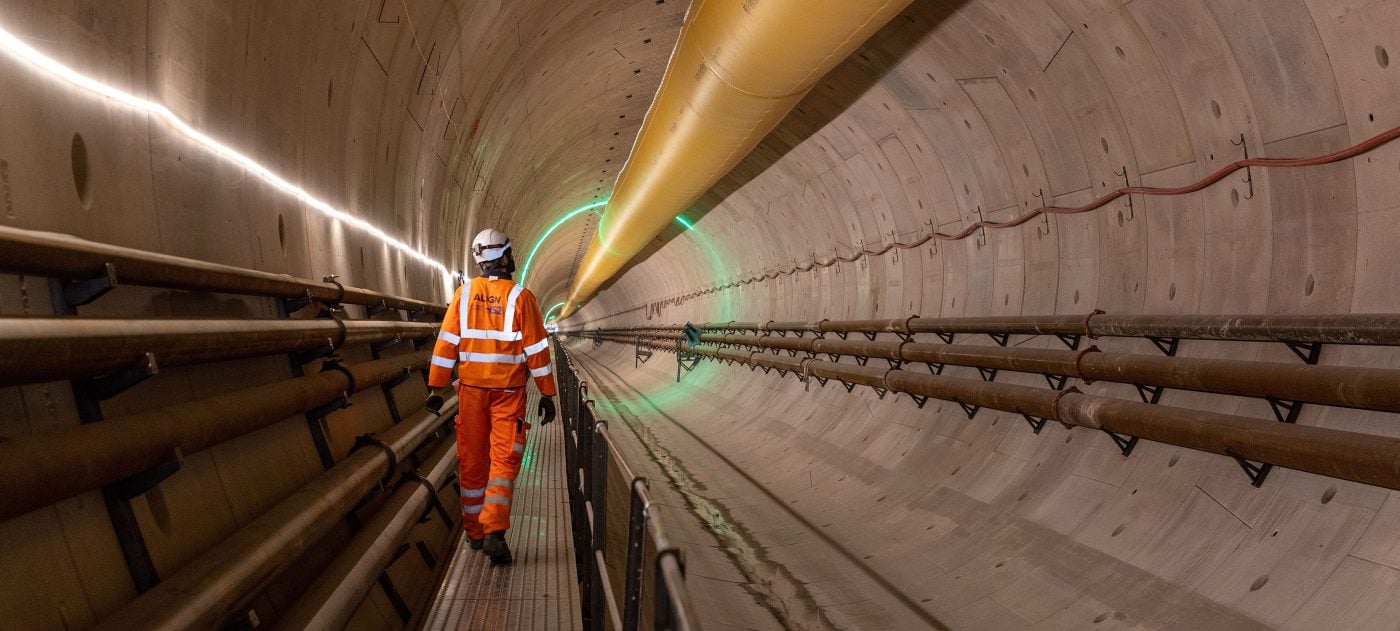
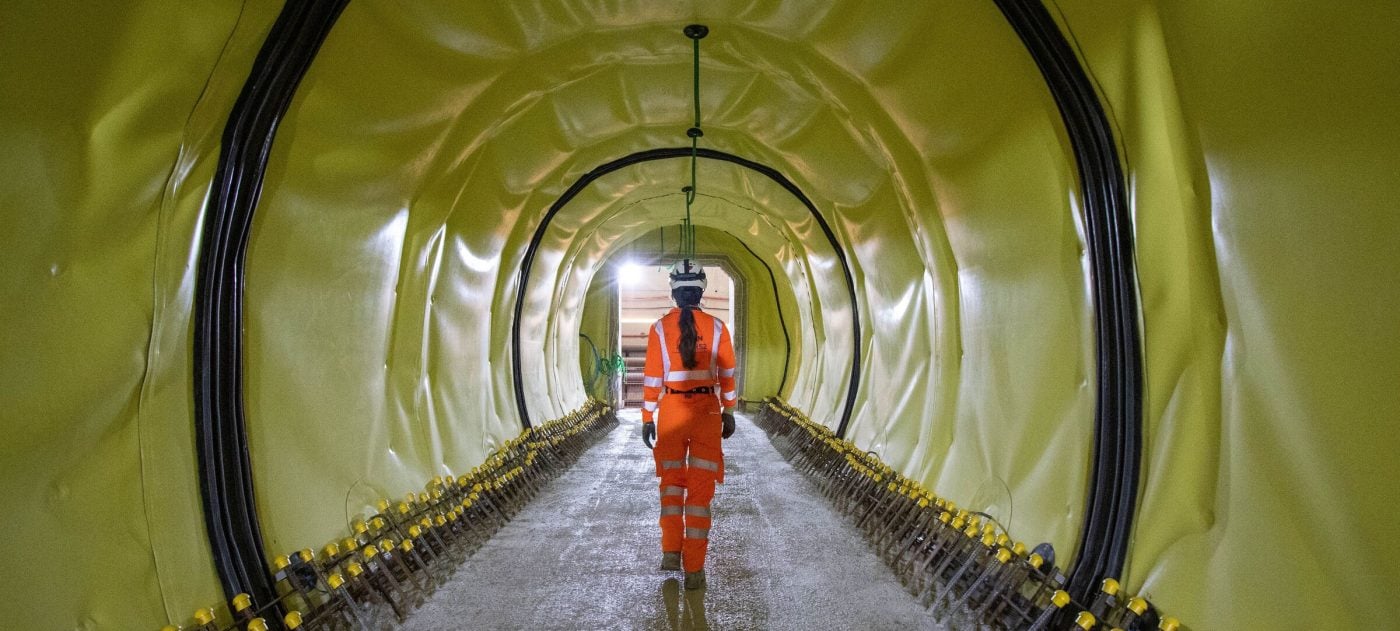
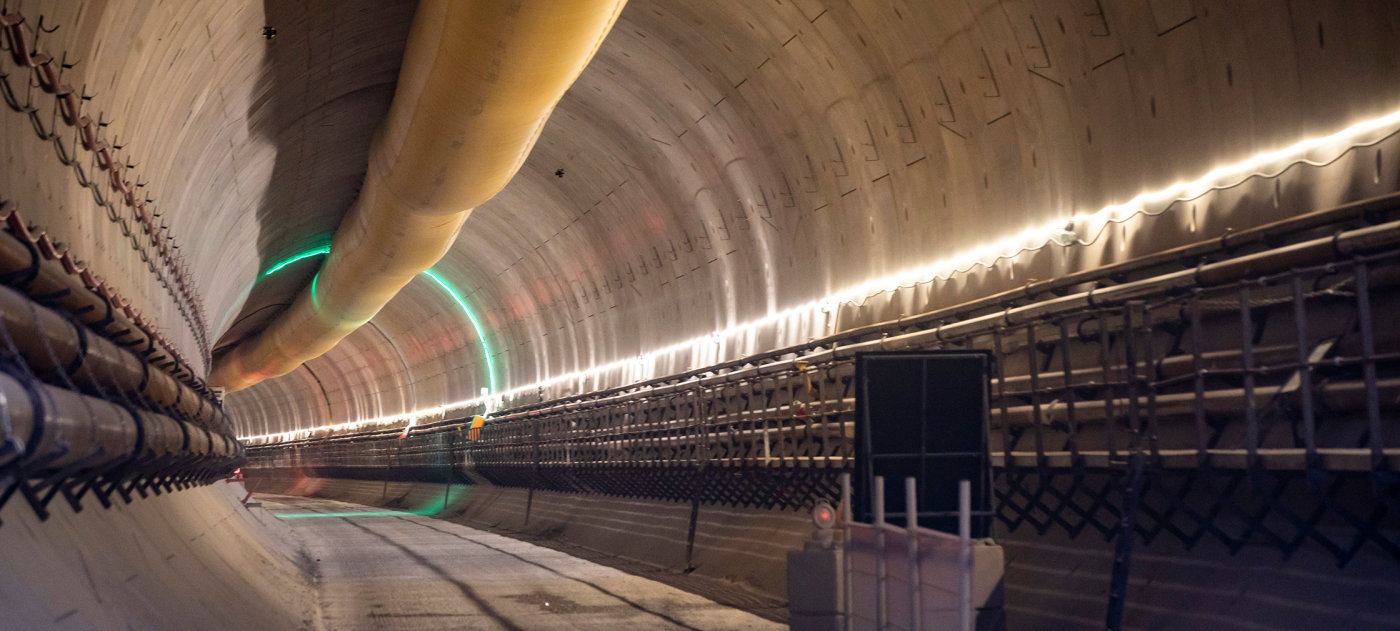
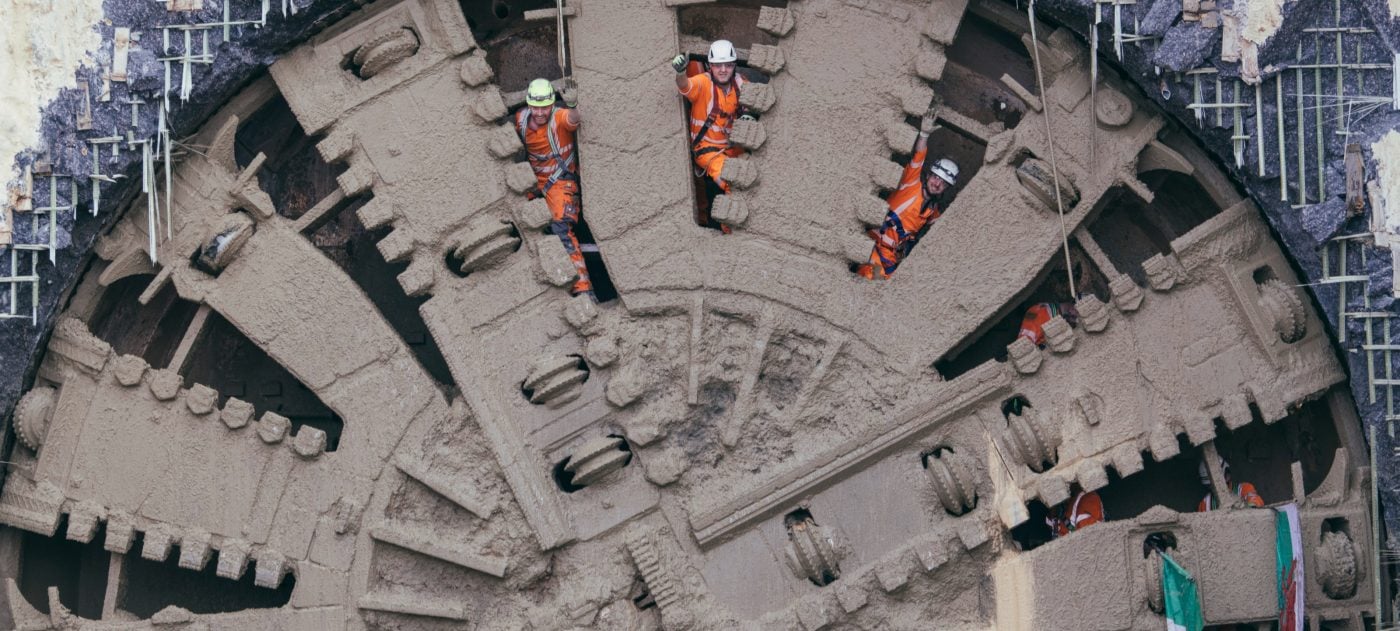
The Chiltern tunnel is the longest tunnel on the HS2 route at 10 miles (16km) long beneath the Chiltern Hills. Two tunnel boring machines (TBMs) – Florence and Cecilia – were used to excavate the twin-bore tunnel.
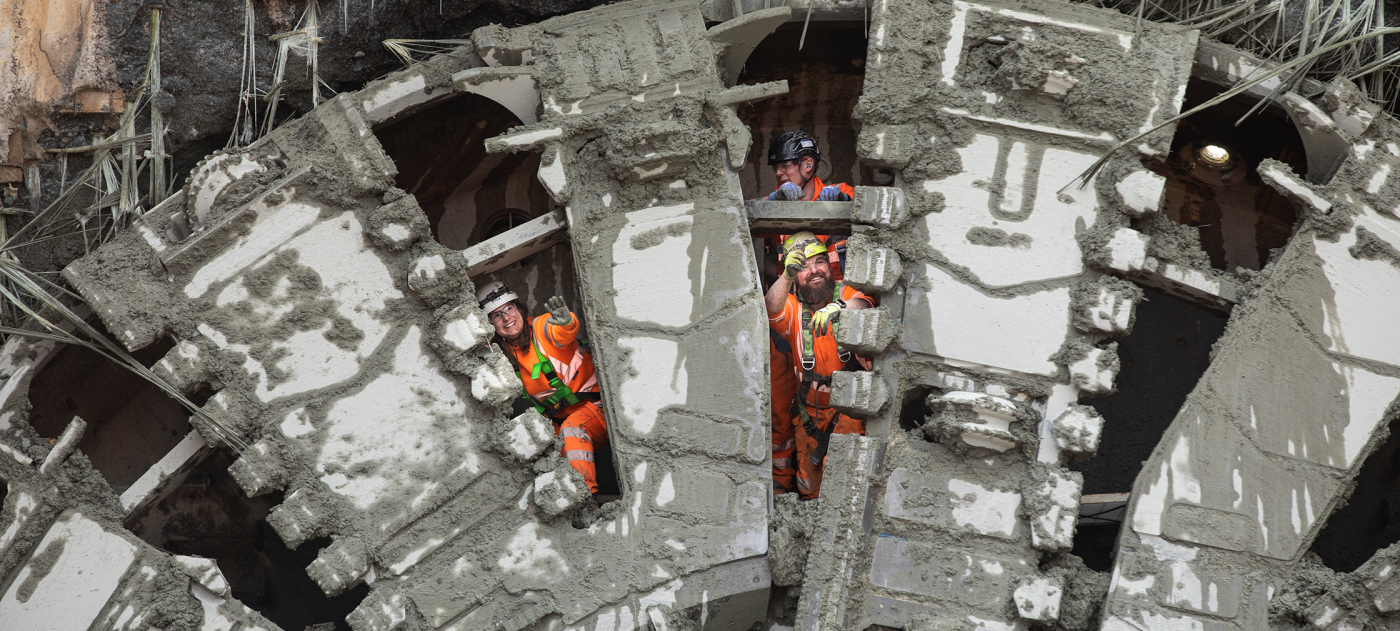
TBM Florence completed her journey in February 2024, followed by TBM Cecilia a month later.
Tunnel construction
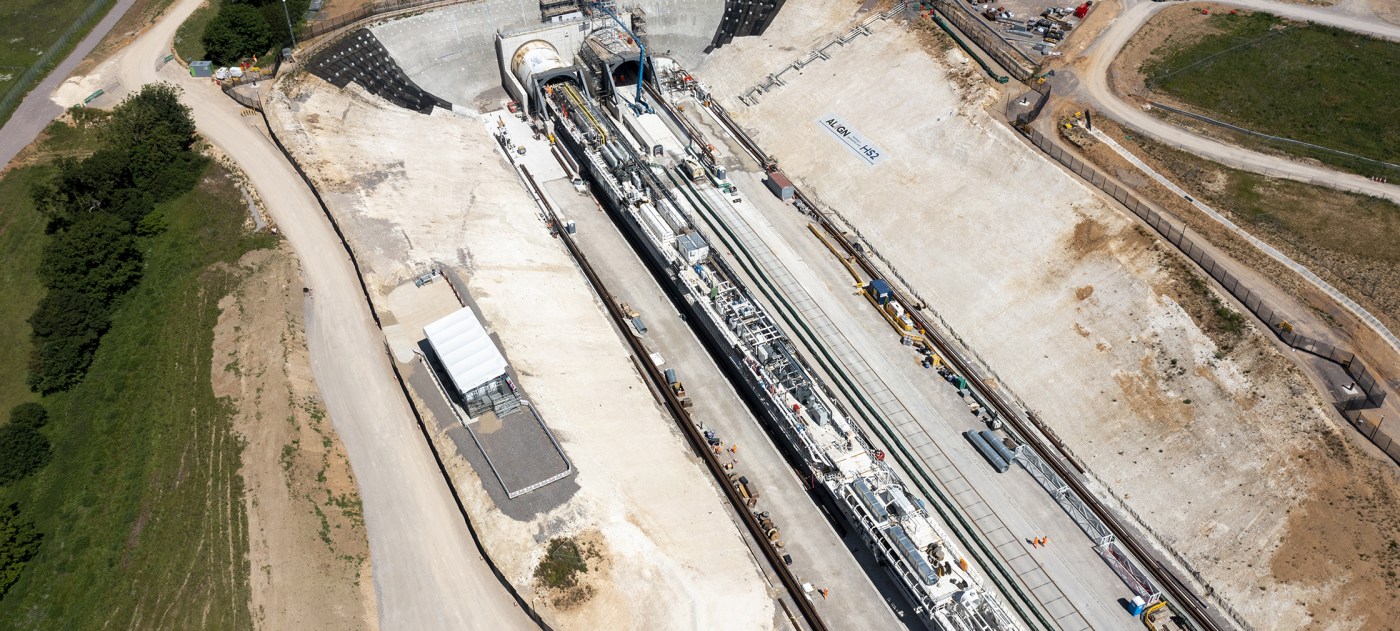
The 2,000-tonne TBMs were built by tunnelling specialists Herrenknecht. After being built they were, the TBMs were disassembled and transported to England. On arrival, they were reassembled near the entrance to the tunnels.
Designed specifically for the geology of the Chilterns, each machine was a self-contained underground factory. They bored the tunnel, lined it with concrete wall segments and grouted them into place.
The TBMs were kept running by a crew of 17 operatives working in shifts, supported by more than 100 people at the main compound.
Each of the separate northbound and southbound tunnels were built with 56,000 precision-engineered, fibre-reinforced concrete wall segments – all made at the south portal of the tunnel.
About 2.7 million cubic metres of material was removed during construction of the tunnels. This was used for landscaping around the south portal site.
Environmental intergration
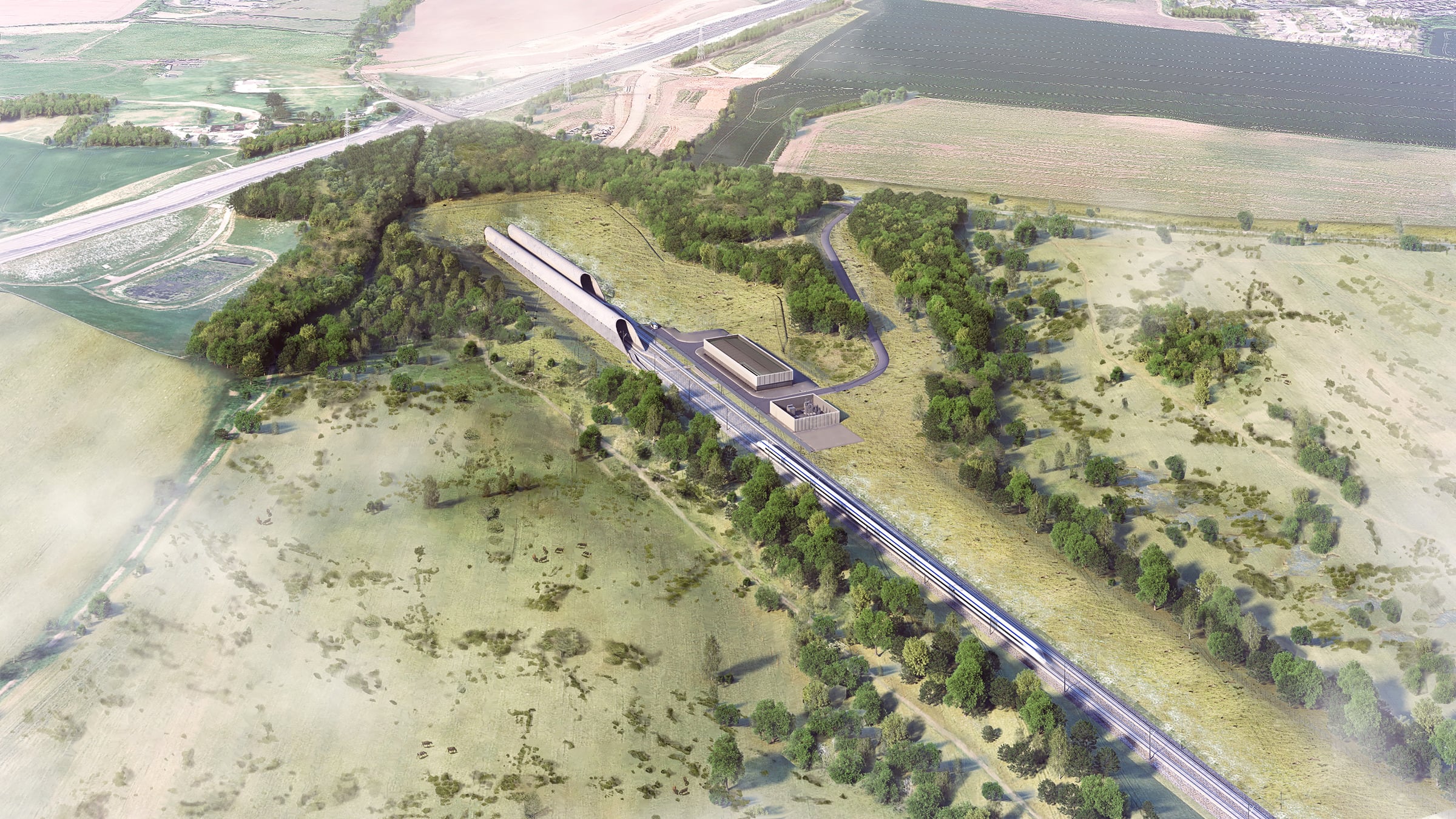
90 hectares of widlife-rich chalk grassland will be created around the tunnel as part of our green corridor programme.
Chalk from the tunnelling work, along with recycled concrete and aggregates is added to the soil from the construction site to create the perfect conditions for the grassland to thrive.
The restored habitat will be complemented by new areas of woodland, wood pasture, and wetlands, with about 65,000 trees and shrubs from 32 local species.
Read about our Chilterns south portal chalk grassland project
Support infrastructure
Chiltern tunnel south portal
On the approach to the portal, 90 hectares of chalk grassland will form the largest scheme in our green corridor programme.
Chalfont St Peter headhouse
Set back from the road, the building is topped with a grey zinc roof. Its doors and vents are picked out in dark bronze for contrast.
Chalfont St Giles headhouse
Set into a fold in the Chiltern hills, the headhouse takes its inspiration from the style of nearby barns and other agricultural buildings.
Amersham headhouse
Sitting just outside Amersham, the boundary wall will be made of flint, a stone long used in Chilterns architecture.
Little Missenden headhouse
Dark, neutral tones and a palette of zinc, brick and steel take cues from local farm and industrial buildings.
Chesham Road intervention shaft
The building’s colour and detailing blend into the landscape, using a simple palette inspired by local farm and industrial forms.
Chiltern tunnel north portal
A simple single-storey building clad in earth-toned zinc will house equipment, its green roof helping it blend into the landscape.

Email newsletters
Subscribe to our Project Update newsletter to receive the latest news and updates about HS2.