Romano-British towns and ancient settlements
On this page
Discoveries in Northamptonshire
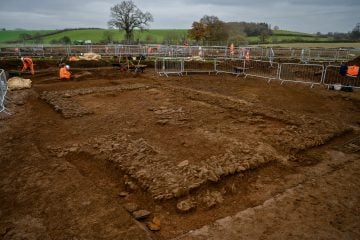
Archaeologists have uncovered one of the most significant archaeological sites on the project near a village in South Northamptonshire.
A team of archaeologists have excavated an Iron Age settlement which developed into a wealthy Roman trading town.
Blackgrounds
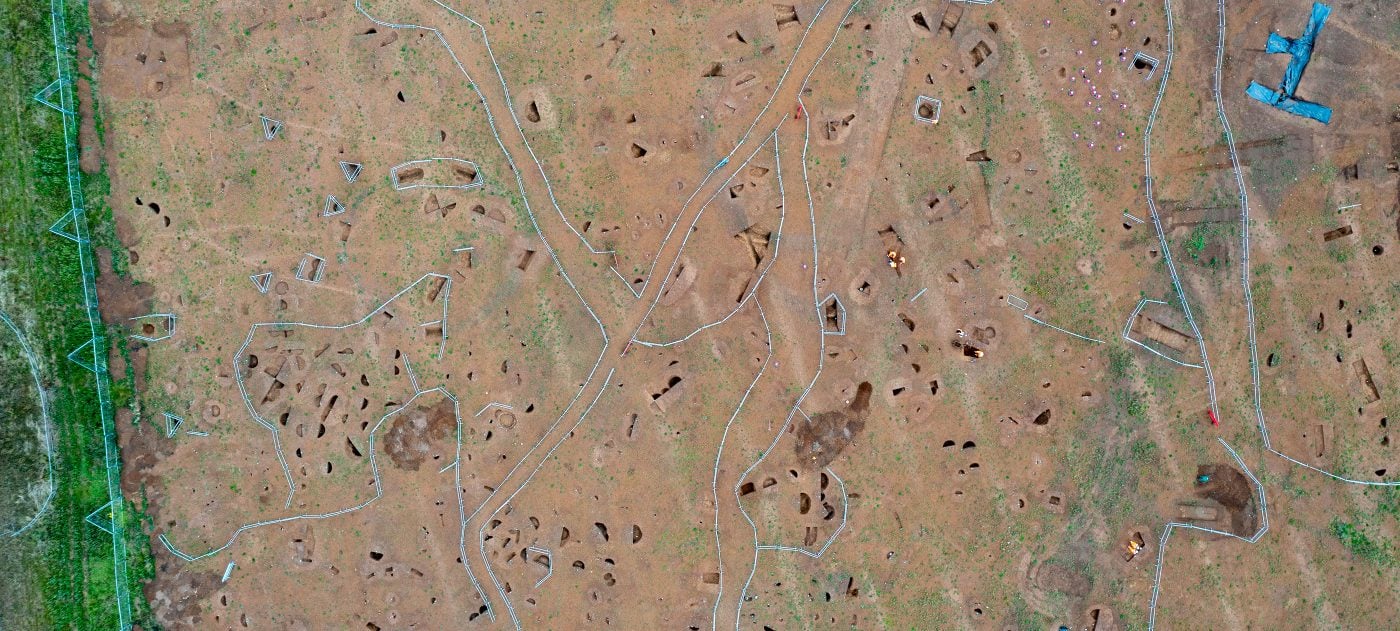
The original use of the location, known as Blackgrounds after the black soil found there, began in the Iron Age when it was a village formed of over 30 roundhouses. We’ve uncovered these alongside an Iron Age road. Evidence from the dig shows the settlement expanded over time, becoming more prosperous during the Roman period, with new stone buildings and new roads emerging.
Considering the close proximity of the Iron Age remains, the archaeological team believe it’s likely that local inhabitants continued to live at the site into the Roman period and adapted to a new way of life. This ‘Romanisation’ included taking on Roman customs, products and building techniques.
Running through the site is a 10-metre wide Roman road which is exceptional in its size. It indicates the settlement would have been very busy with carts simultaneously coming and going to load and unload goods. The wealth of the settlement is likely to have been based on trade, both from the nearby River Cherwell and via the Roman road.
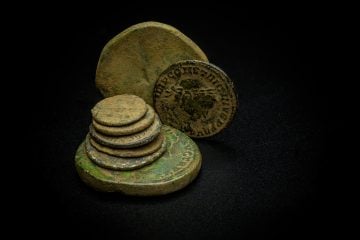
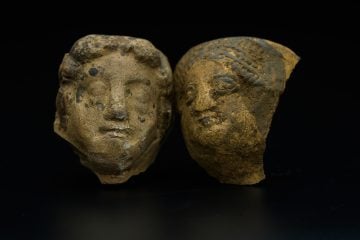
We’ve recovered over 300 Roman coins, discovered as if lost or discarded, an indication that a significant volume of commerce was passing through this area. Additional discoveries from the site included Roman Samian pottery from Southern Gaul in France, and vessels dated back to the second or third century.

Slide 1 of 6: A Roman well uncovered during the archaeological excavation of Blackgrounds, a Roman trading settlement.

Slide 2 of 6: The archaeological excavation of Blackgrounds.

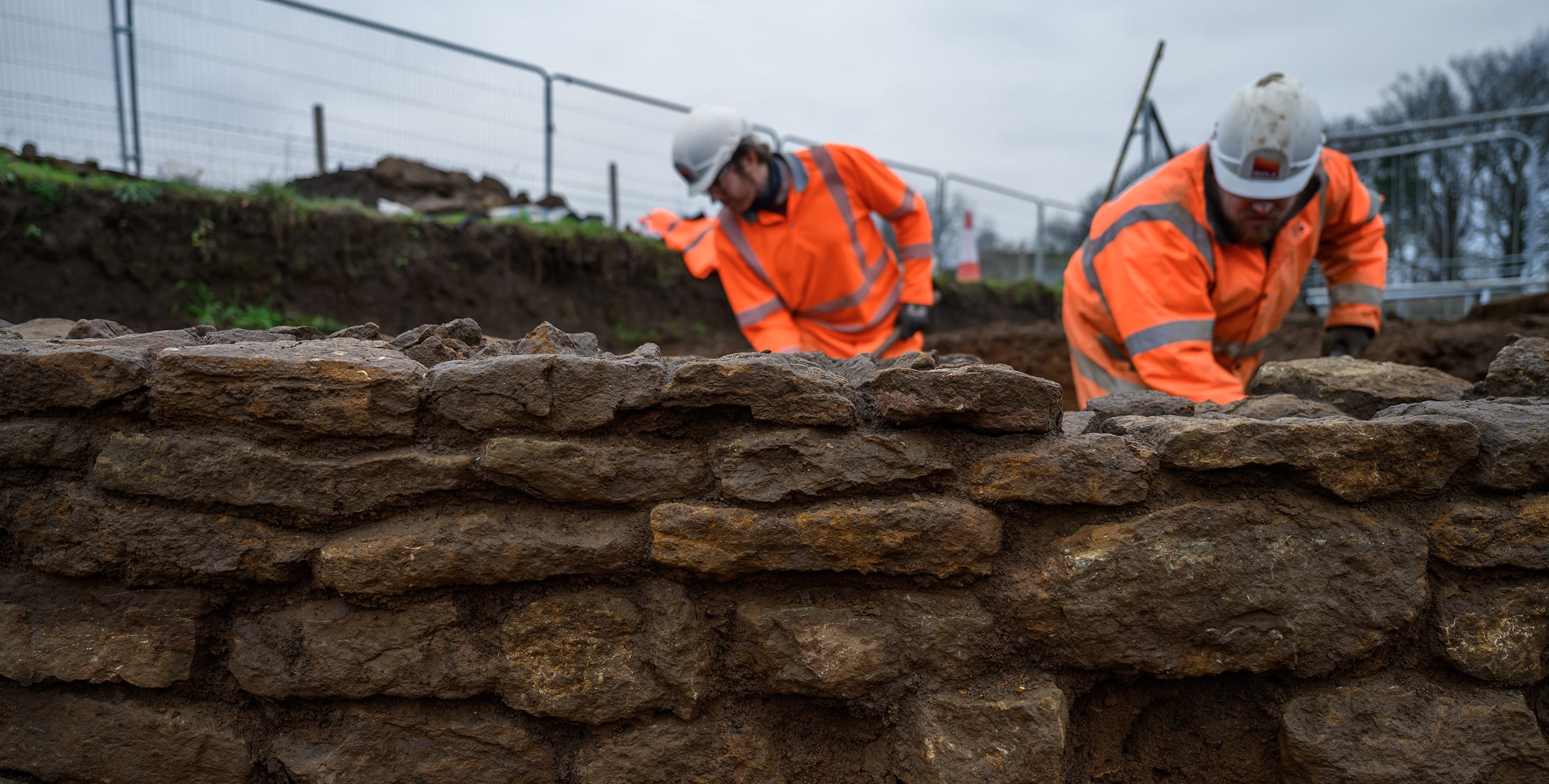
Slide 3 of 6: A wall of domestic building uncovered during the excavation.

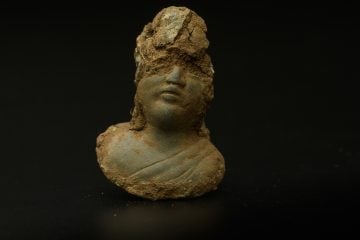
Slide 4 of 6: A Roman female deity scale weight uncovered during the excavation.

Slide 5 of 6: Roman coins uncovered during the archaeological excavation.

Slide 6 of 6: Decorative Roman pottery uncovered during the excavation at Blackgrounds.
Email newsletters
Subscribe to our Project Update newsletter to receive the latest news and updates about HS2.