Twin-bore tunnels
What are twin-bore tunnels?
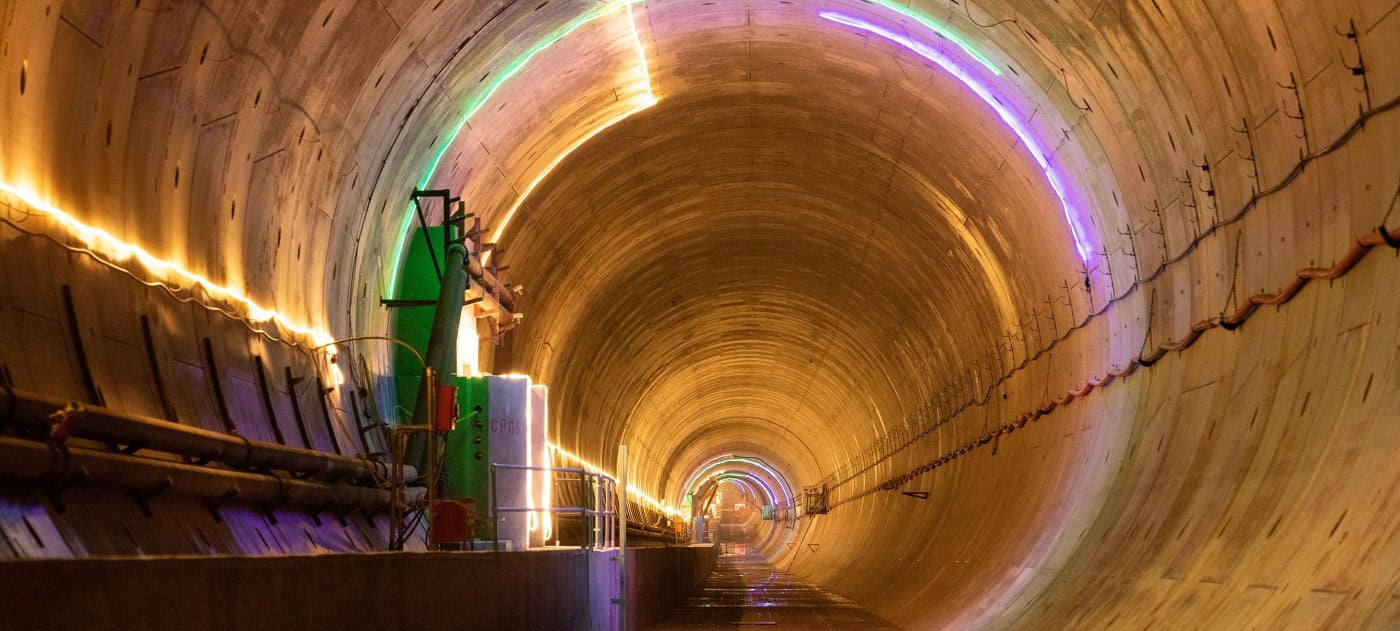
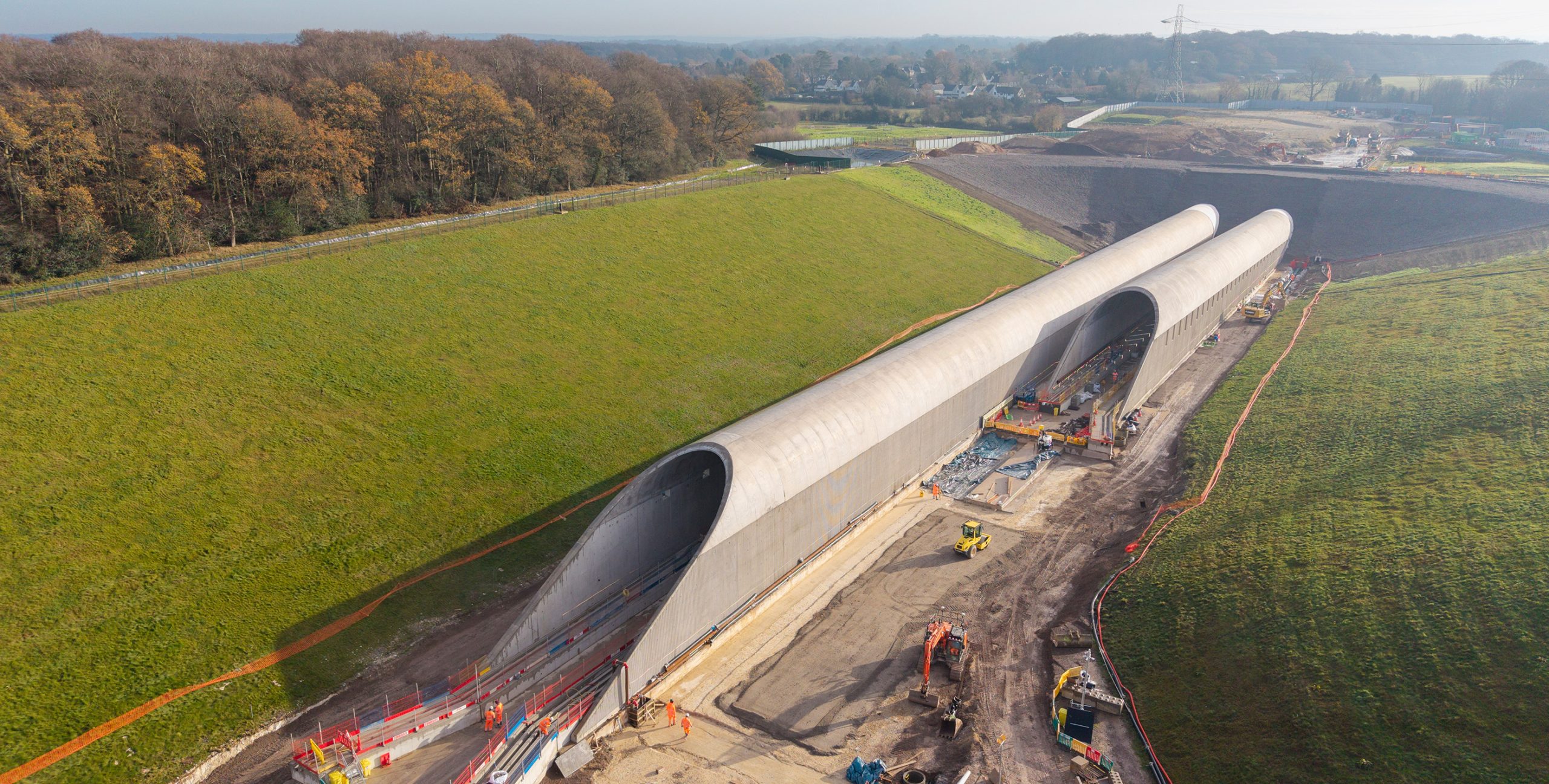
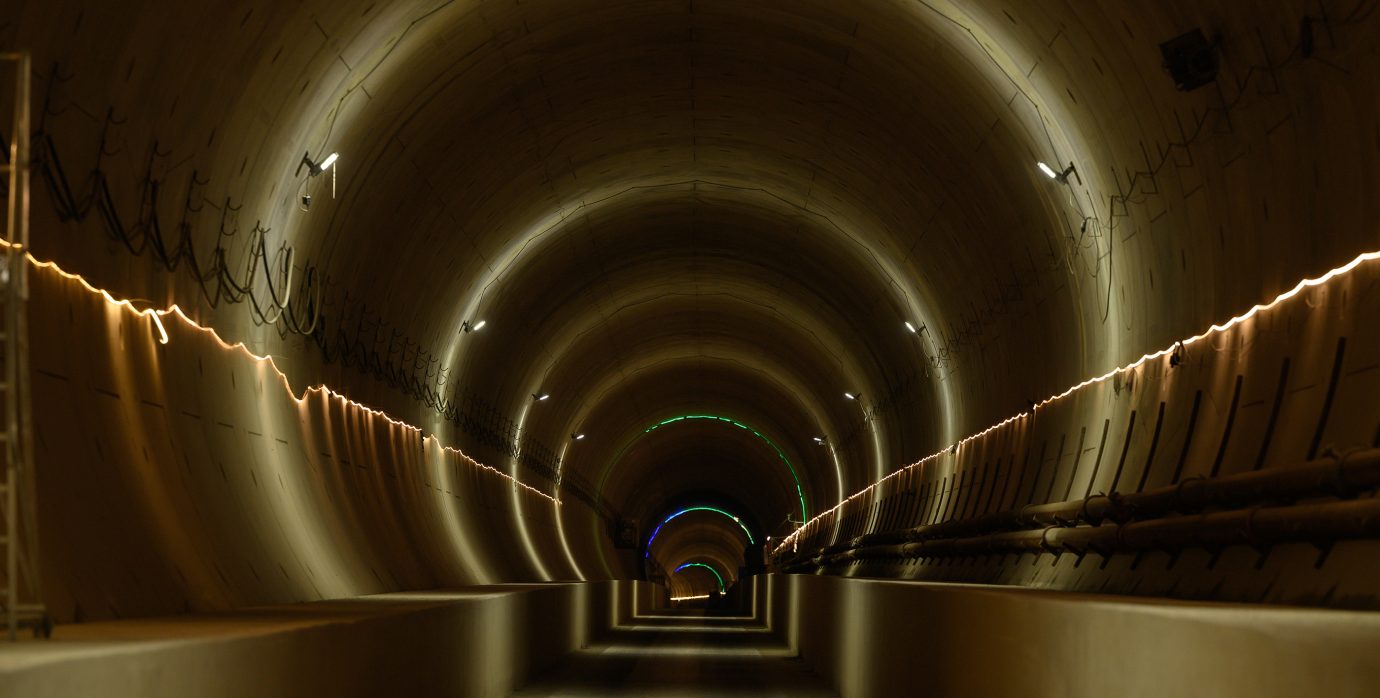
A twin-bore tunnel is two parallel tunnels, each containing a single rail track.
They are built using tunnel boring machines (TBMs). HS2’s trains will travel through more than 27 miles of twin-bore tunnels – almost a fifth of the 140 mile route. This means HS2’s TBMs are excavating and building a total of 55 miles of bored tunnel.
Discover our twin-bore tunnels
How the tunnels are built
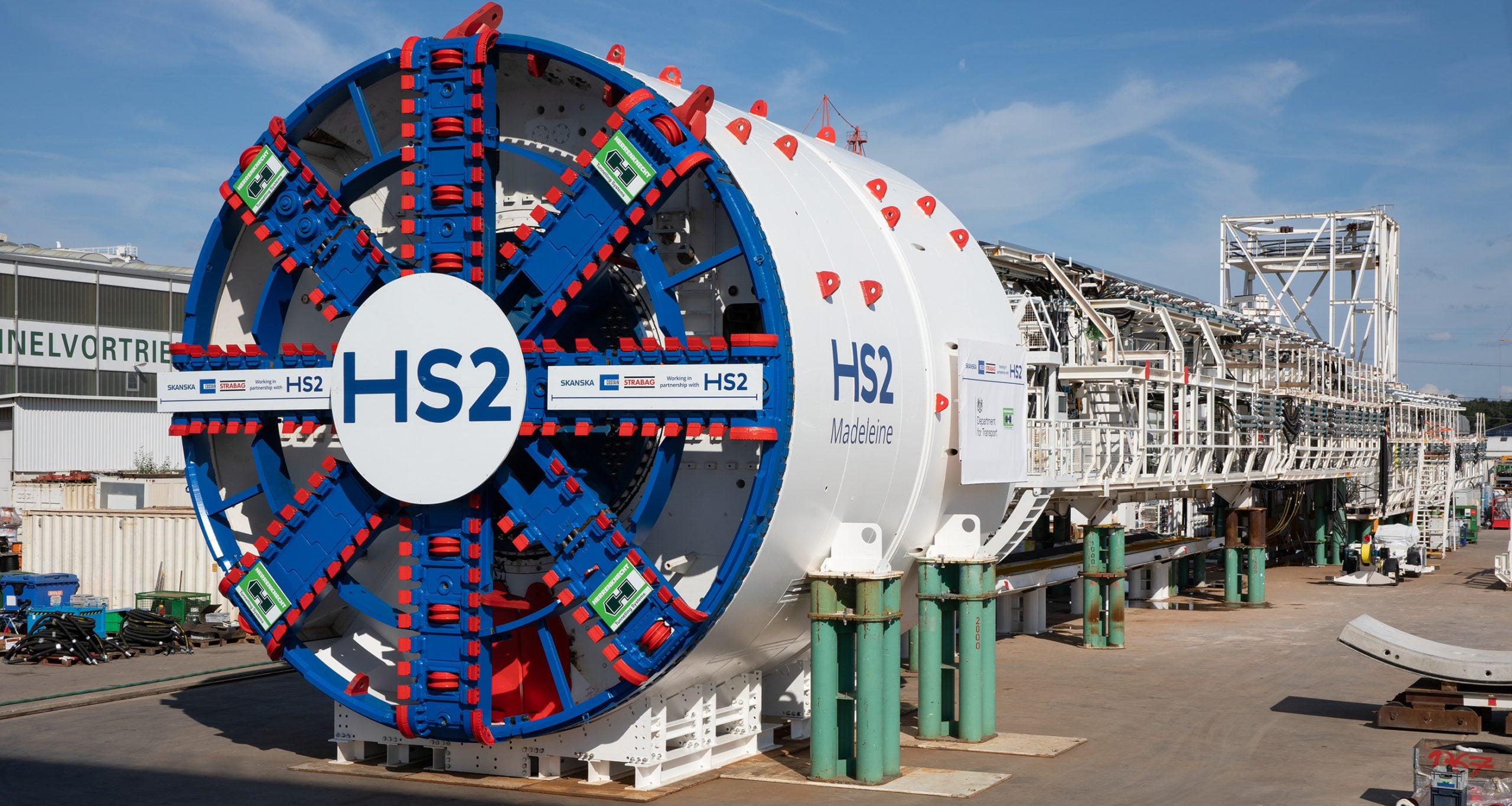
We used tunnel boring machines (TBMs) to build many of our tunnels.
The rotating cutter-head at the front of a TBM bores the tunnel, excavating an average of about 15 metres each day. The TBMs also construct the tunnels as they go. They do this by slotting thousands of concrete segments into place, forming the cylindrical corridors the high-speed trains will travel through.
A TBM can tunnel under a town or city without disturbing anyone above. In rural areas this reduces the impact on the countryside.
Naming our tunnel boring machines
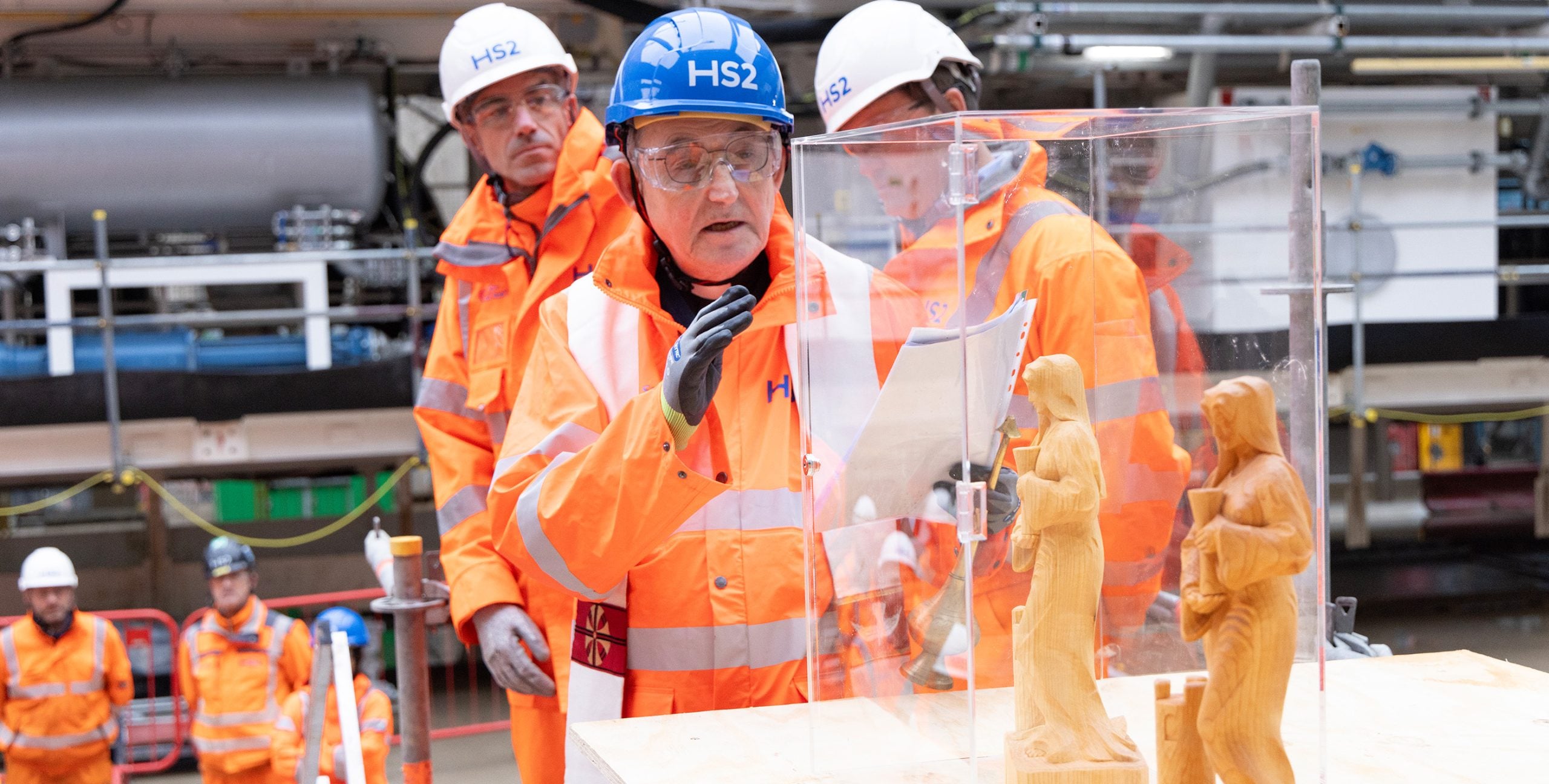
Much like ships, it is traditional to name tunnel boring machines (TBMs) before they are launched. It is a long-held tunnelling tradition to give them female names.
The machines are also blessed by a priest. There is usually a statue of St Barbara at each tunnel portal entrance to protect the underground tunnellers as they work.
The practice is believed to date back to the earliest mining traditions.
Meet our TBMs
Florence and Cecilia: our Chiltern Tunnel TBMs
A national vote was held to select the winning names for the two TBMs that built the 10 miles of Chiltern tunnel.
The winning names, Florence and Cecilia, were suggested by students at Meadow High School in Hillingdon and The Chalfonts Community College, Buckinghamshire. Both names were inspired by female scientific and medical pioneers.
Florence is named after Florence Nightingale, the founder of modern nursing. Cecilia was named after Cecilia Payne-Gaposchkin, an astronomer and astrophysicist from Buckinghamshire. She was the first person to correctly predict the temperature of stars.
Florence and Cecilia were our first TBMs to launch.
Dorothy: our Long Itchington Wood Tunnel TBM
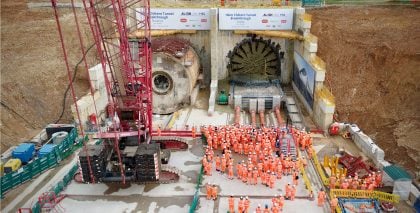
A national vote was held to name HS2’s third TBM. Dorothy, the winning name for this TBM, built the one-mile twin bore tunnel under Long Itchington Wood in Warwickshire.
Three names were shortlisted from over 180 entries submitted by people in Warwickshire, who were asked to nominate the names of women associated with the county.
The winning name, Dorothy, was in honour of Dorothy Hodgkin who was the first British woman to win the Nobel Prize in Chemistry. The name was suggested by a student at Warwickshire College Group and selected by a public vote.
TBM Dorothy was the first TBM on the Midlands section of HS2.
Sushila and Caroline: our Northolt Tunnel West TBMs
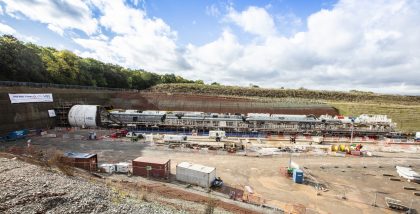
After taking part in workshops about tunnelling, children from Dairy Meadow Primary School in Southall and Brentside Primary Academy, helped with naming the Northolt Tunnel TBMs.
TBM Sushila was named after local schoolteacher Sushila Hirani, Head of Department and Lead for STEM at Greenford High School, in Southall.
TBM Caroline – the second TBM to be launched – was named Caroline after the German-born British astronomer Caroline Herschel.
TBM Sushila was launched by Sushila Hirani.
Emily and Anne: our Northolt Tunnel East TBMs
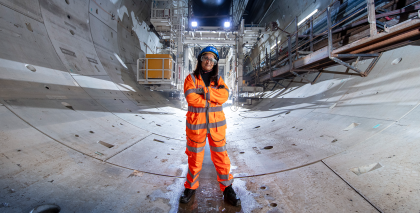
TBM Emily was named after Emily Sophia Taylor who lived between 1872 and 1956. Emily was a midwife who provided services for women who could not afford maternity care. She helped establish the Perivale Maternity Hospital in 1937 before becoming Ealing’s first female mayor in 1938.
TBM Anne was named after Lady Anne Byron, an educational reformer and philanthropist who lived between 1792 and 1860. She established the Ealing Grove School in 1834 – England’s first co-operative school which provided education for the working classes, in an era when it was mainly for the wealthy.
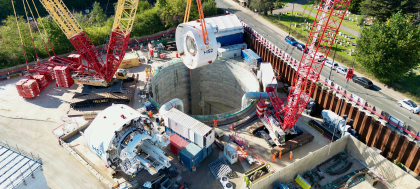
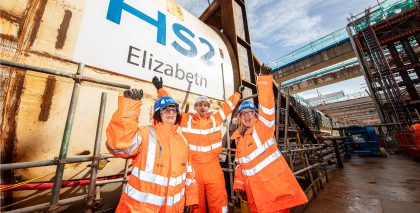
Mary Ann and Elizabeth: our Bromford Tunnel TBMs
Bromford tunnel’s first TBM was named Mary Ann after Mary Ann Evans. Better known by her pen name George Eliot, she was an English novelist, poet, journalist, translator and one of the leading writers of the Victorian era. The name was suggested by people from the Warwickshire community.
TBM Mary Ann was launched in the summer of 2023.
The second Bromford tunnel TBM was named Elizabeth by pupils from Paget Primary School in Birmingham. Keeping the tradition of naming our TBMs after women from the local area, the machine is named after Dame Elizabeth Cadbury, who spent her life campaigning for the education and welfare of women in Birmingham.
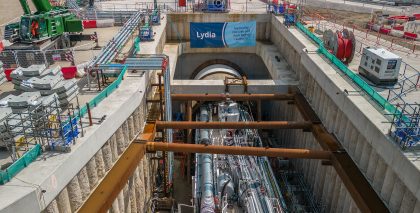
Lydia: our Atlas Road Logistics Tunnel TBM
Members of the local community chose the name Lydia for the TBM which built the Atlas Road Logistics Tunnel.
TBM Lydia was named after Lydia Gandaa, a former teacher at nearby Old Oak Common Primary School.
Lydia Gandaa was at the launch event in April 2023, with pupils from the school.
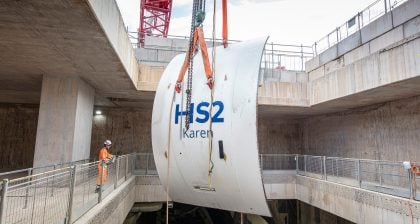
Karen and Madeleine: our Euston Tunnel TBMs
In keeping with tradition, the TBMs for Euston tunnel were named after prominent women. One machine was named Karen after Karen Harrison, the first female train driver in the UK who was based out of Old Oak Common depot.
The second is named Madeleine, after Madeleine Nobbs, the former president of the Women’s Engineering Society.
A look back at our tunnelling breakthroughs
Email newsletters
Subscribe to our Project Update newsletter to receive the latest news and updates about HS2.